
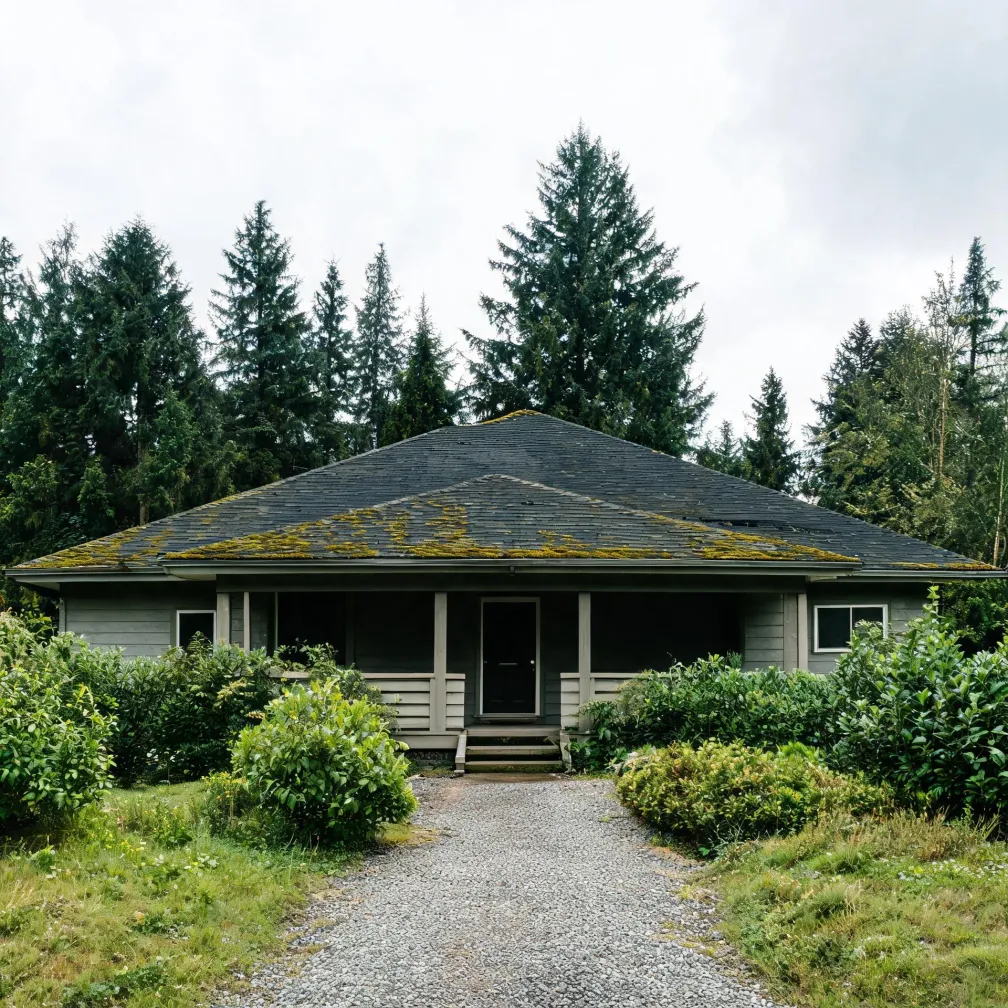
What Oregon homes are up against.
NOAA National Centers for Environmental Information, Storm Events Database, bulk CSV export, events 2015-01-01 through 2024-12-31. · U.S. Census Bureau, 2020-2024 American Community Survey 5-Year Estimates

What a contractor has to establish before quoting a water heater job here is whether the existing electrical supply matches what a replacement unit demands. Electricity heats more occupied homes in Oregon than any other fuel, at 53.5% (2020-2024 ACS 5-year). With electricity heating the clear majority of occupied homes, the venting and combustion questions that complicate gas replacements largely drop away, but the electrical panel becomes the first thing a contractor checks. A circuit that served an older, less efficient unit can fall short of what a newer one draws at startup, and that mismatch shows up in the quote before any hardware is ordered.
Before a contractor can spec a replacement water heater, they have to look at what the existing installation is actually connected to. Electrical panels get checked for available capacity. Venting gets traced to confirm it meets current code for the unit going in. Half the homes in Oregon were built in 1981 or earlier (2020-2024 ACS 5-year). That matters because infrastructure sized for older equipment does not automatically accommodate a modern high-efficiency unit, and a contractor finds that out by opening the system, not by reading the address.
Does severe weather in your Oregon county affect your water heater?
2015–2024 · Source: NOAA National Centers for Environmental Information, Storm Events Database.
A water heater depends on steady power and a dry space around its base. Storms bring power loss, heavy rain, and wind that can drive water where it should not go. A tank or unit sitting low, or connected to venting that is not sealed well, is more exposed to those conditions. Have a contractor check how the unit is elevated, how its venting is sealed, and whether its shutoff and connections are secure.