Tell us about the job
Takes about a minute. No obligation.
Electricity heats more occupied homes in Columbia County, Oregon than any other fuel, at 53.1% (2020-2024 ACS 5-year). Electric resistance water heaters put all their work through two components: the heating elements and the thermostats that control them. When an electric water heater fails here, a contractor starts with those parts rather than venting, combustion hardware, or gas valves, because none of that exists in the system. Sediment buildup on the lower element is a common find, and a failed upper thermostat will cut the unit off entirely, which homeowners often mistake for a tank failure.
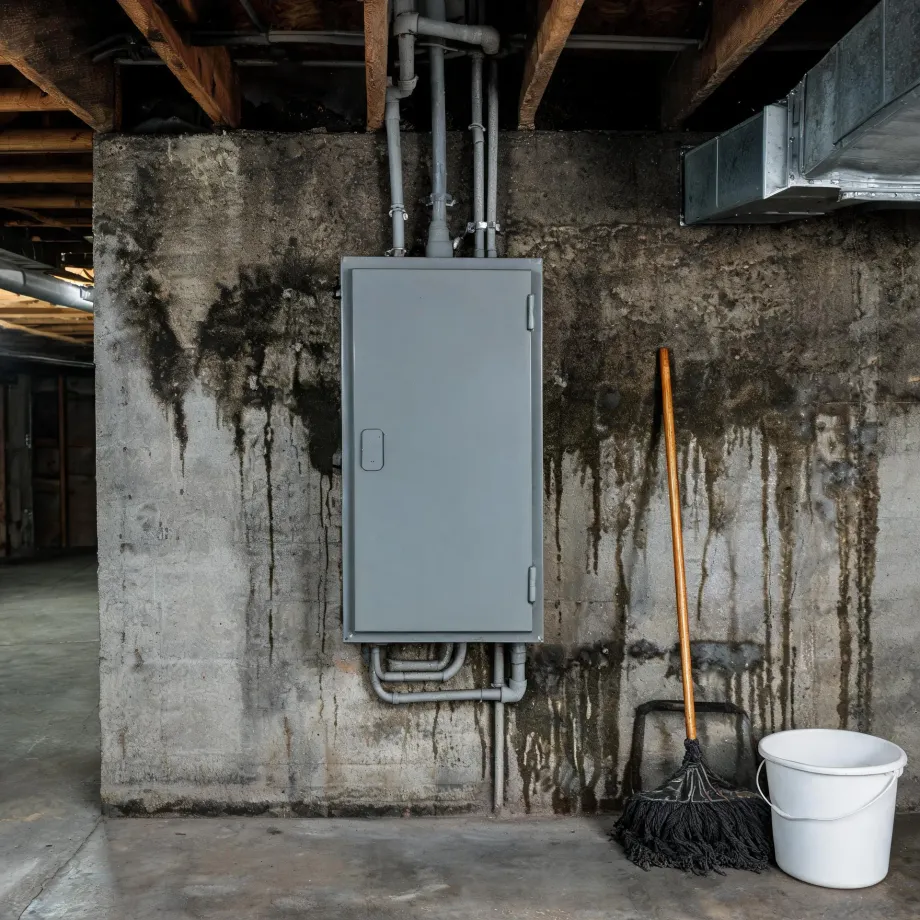
Plumbing that has been patched across multiple water heater generations tends to hide its problems until a contractor opens the access and looks. Half the homes in Columbia County, Oregon were built in 1981 or earlier (2020-2024 ACS 5-year). A water heater sitting in a house that old has likely had a predecessor, sometimes more than one, and each swap left its own fittings, its own supply line choices, and its own sediment history in the tank. What a contractor finds when they pull the unit depends heavily on what those earlier jobs did or skipped: corroded connections, pressure relief valves that have never been tested, and mineral buildup that has been accumulating since long before the current unit arrived.
The Parts of a Water Heater a Contractor Checks First
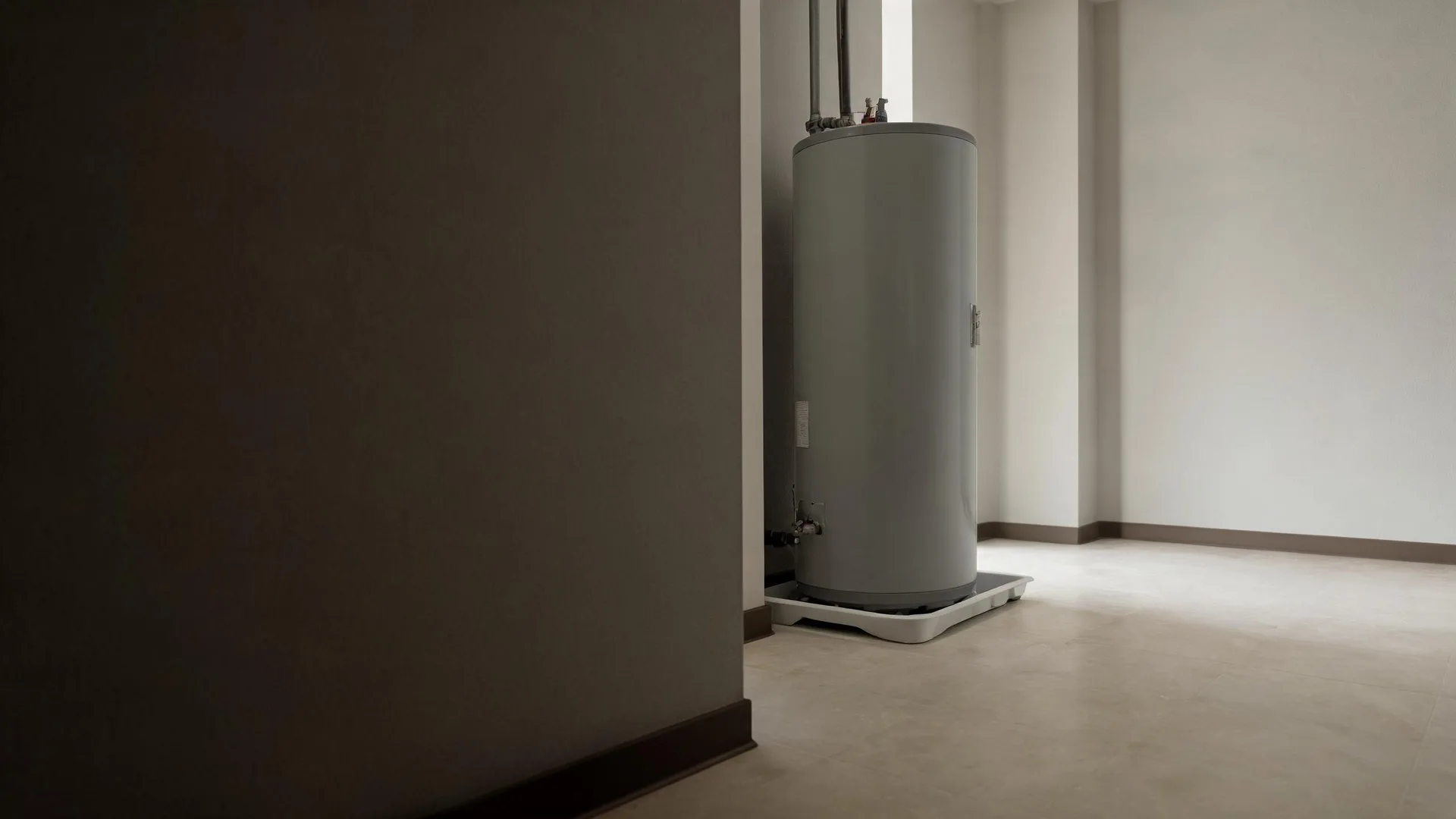
The tank is what most homeowners picture first: a large insulated cylinder, usually standing in a utility room, basement, or garage, that holds and heats a supply of water. Inside it, a heating element or burner does the actual heating work, and when a water heater stops producing hot water or produces it inconsistently, those are the first places a contractor looks.
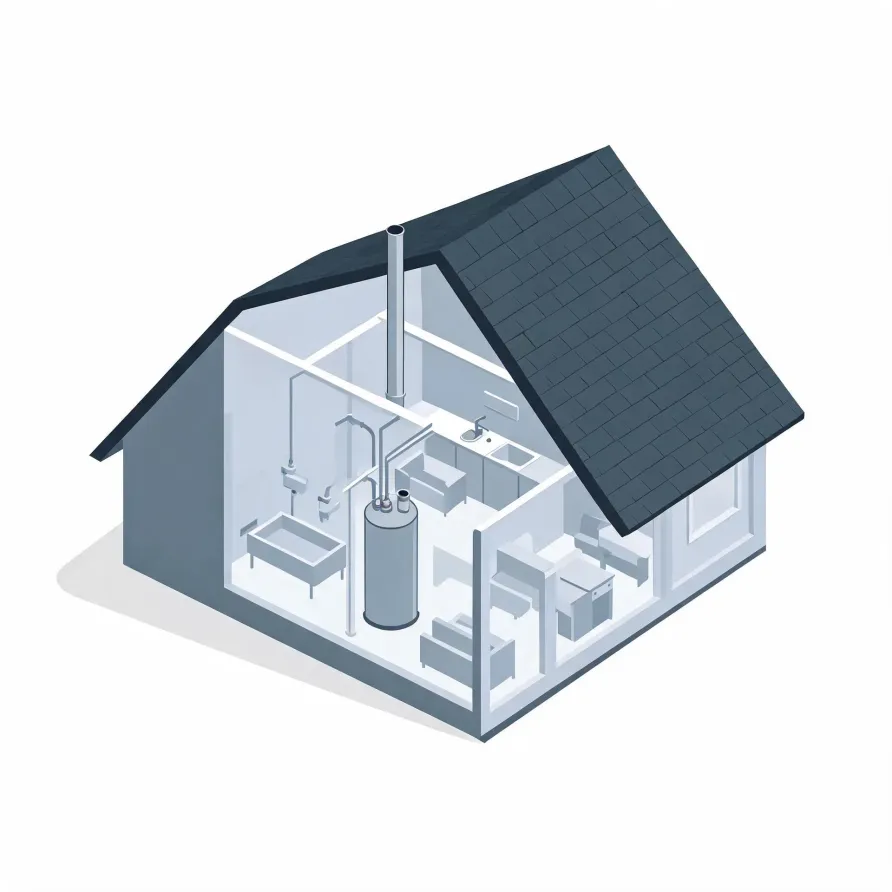
The thermostat sits against the tank and tells the heating element when to run. The pressure relief valve mounts to the tank's side and opens if pressure climbs too high. At the base, a drain valve lets a contractor flush sediment that settles over time. The anode rod runs down through the tank interior and slows corrosion of the tank walls.
The drawing shows the general layout of these parts, and a licensed contractor determines what applies to your specific unit and installation.
Find a contractor in Columbia CountyColumbia County by the Numbers
2 severe weather events were recorded in Columbia County, Oregon between 2015 and 2024.
NOAA National Centers for Environmental Information, Storm Events Database, bulk CSV export, events 2015-01-01 through 2024-12-31.Half the homes in Columbia County, Oregon were built in 1981 or earlier (2020-2024 ACS 5-year).
U.S. Census Bureau, 2020-2024 American Community Survey 5-Year EstimatesColumbia County, Oregon holds 22,167 housing units (2020-2024 ACS 5-year).
U.S. Census Bureau, 2020-2024 American Community Survey 5-Year EstimatesOwners occupy 76.1% of the occupied homes in Columbia County, Oregon (2020-2024 ACS 5-year).
U.S. Census Bureau, 2020-2024 American Community Survey 5-Year Estimates