Tell us about the job
Takes about a minute. No obligation.
Electricity heats more occupied homes in Coos County, Oregon than any other fuel, at 72.4% (2020-2024 ACS 5-year). Electric water heaters have no burner, no flue, and no combustion air to troubleshoot. What wears is simpler and more predictable: the elements cycle every time hot water is drawn, and the thermostats control every one of those cycles. A contractor diagnosing an electric unit here checks element resistance and thermostat calibration before anything else, because sediment buildup and element burnout account for most of what actually fails. Venting and gas valve work do not enter the picture in a home running on electricity.
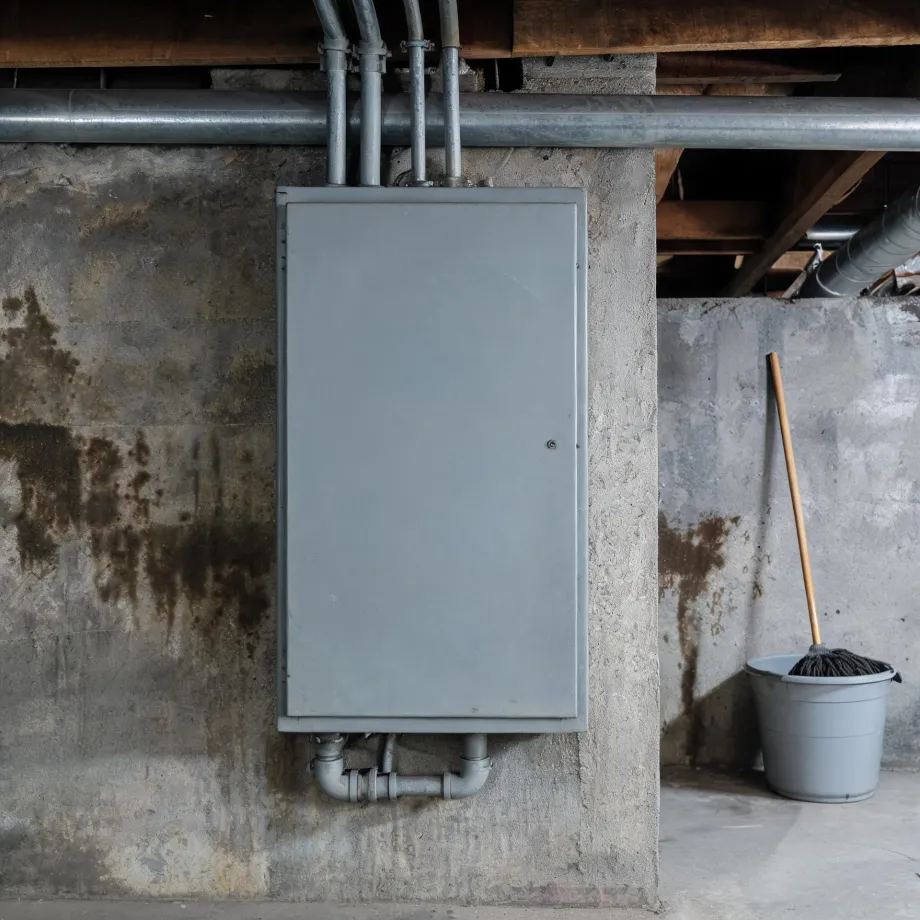
Water heater repairs in aging housing often hinge on what surrounds the unit as much as the unit itself. Half the homes in Coos County, Oregon were built in 1974 or earlier (2020-2024 ACS 5-year). Supply lines, shutoff valves, venting connections, and the fittings that tie the tank into the rest of the house reflect the era when that plumbing was first run, and a contractor opening the job has to account for that context before settling on a repair scope. Parts for the heater itself are usually straightforward to source. What takes time is working out which of the surrounding components need to come with them.
The Parts of a Water Heater a Contractor Checks During a Repair
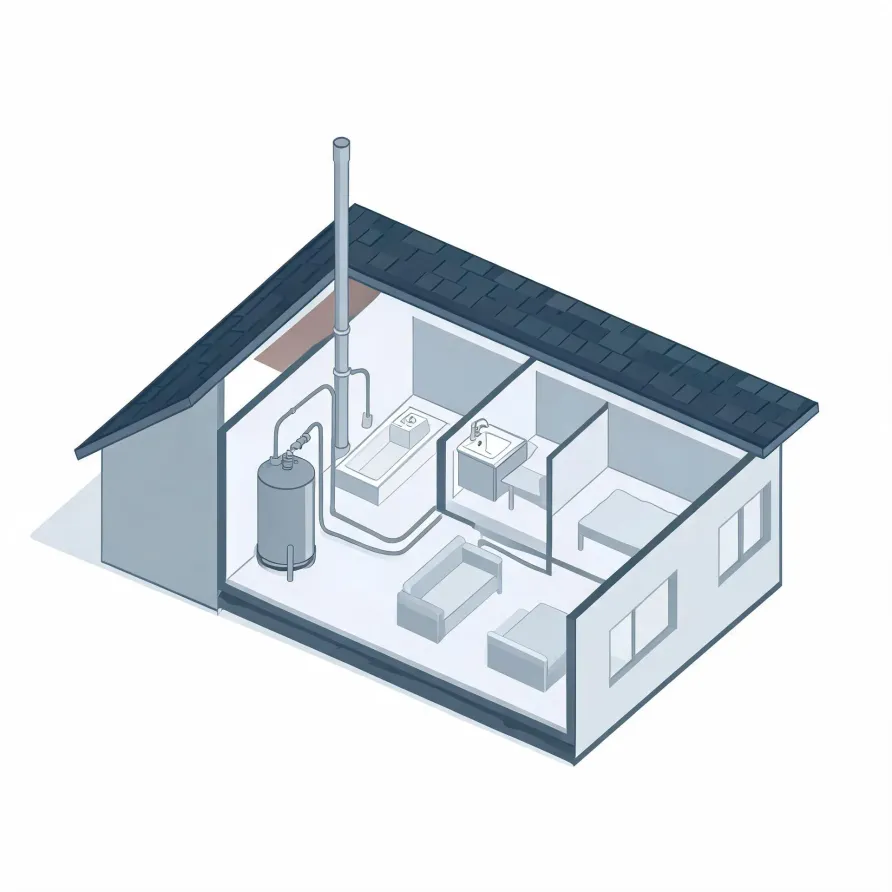
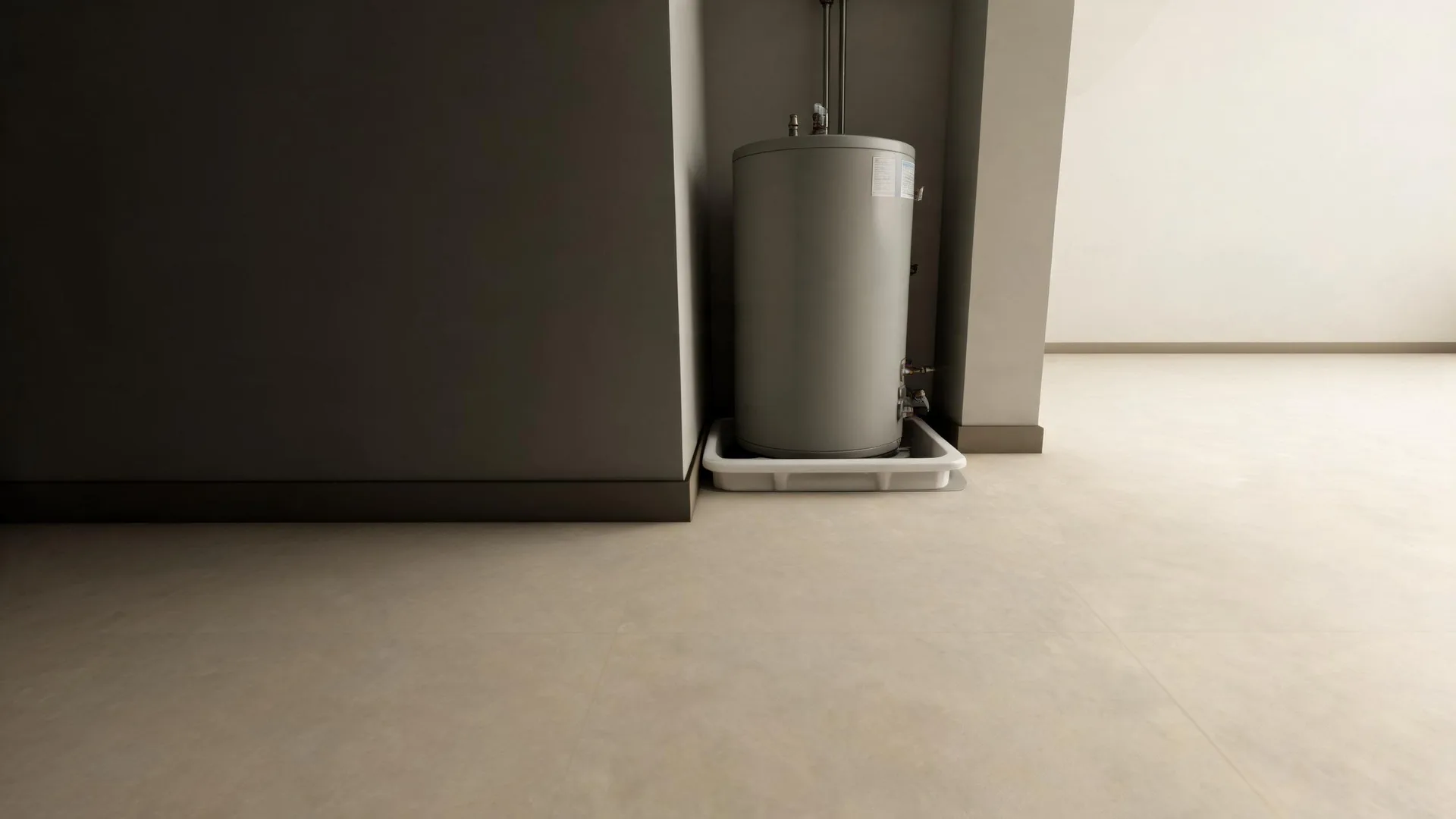
The tank is what most homeowners picture first: a large insulated vessel that sits in a utility room, basement, or garage and holds a supply of hot water ready for the house. A heating element or burner assembly at the base of the tank is what actually raises the water temperature, and when a repair call comes in, both the tank and that heat source are among the first things a contractor looks at.
The thermostat sits on the outside of the tank and tells the heating element when to run and when to stop. A pressure relief valve mounts near the top and opens automatically if pressure inside the tank climbs too high. The anode rod hangs inside the tank and draws corrosive minerals toward itself to protect the tank wall.
The drawing shows the general layout of a water heater system, and a licensed contractor determines which parts apply to the specific unit and setup in your home.
Get matched in Coos CountyCoos County, by the record
98 severe weather events were recorded in Coos County, Oregon between 2015 and 2024.
NOAA National Centers for Environmental Information, Storm Events Database, bulk CSV export, events 2015-01-01 through 2024-12-31.Half the homes in Coos County, Oregon were built in 1974 or earlier (2020-2024 ACS 5-year).
U.S. Census Bureau, 2020-2024 American Community Survey 5-Year EstimatesCoos County, Oregon holds 31,905 housing units (2020-2024 ACS 5-year).
U.S. Census Bureau, 2020-2024 American Community Survey 5-Year EstimatesOwners occupy 71.2% of the occupied homes in Coos County, Oregon (2020-2024 ACS 5-year).
U.S. Census Bureau, 2020-2024 American Community Survey 5-Year EstimatesCodes & Standards Governing Water Heater Repair in Coos County, Oregon2 sourced rules and standards
What Coos County, Oregon Requires for HVAC Repair
Oregon’s contractor licence does not reach casual, minor or inconsequential work on one structure where the person’s contracts total less than $1,000 — and the exemption is unavailable to anyone who advertises or signs themselves as a contractor, at any price.
Oregon requires a current Construction Contractors Board licence, with the right endorsement, to undertake, offer to undertake or bid construction work.
Severe Weather Events in Coos County
Extreme weather puts stress on water heaters: temperature swings force the equipment to work harder, and power disruptions can damage components over time. How often that happens in Coos County shapes how much wear local units accumulate and what kinds of repairs contractors see most.
98 severe weather events, 2015–2024. Source: NOAA National Centers for Environmental Information, Storm Events Database.