Tell us about the job
Takes about a minute. No obligation.
Water heater installation in Coos County starts with fuel, because what a home burns decides the venting path, the connection type, and what code allows as a direct replacement. Electricity heats more occupied homes in Coos County, Oregon than any other fuel, at 72.4% (2020-2024 ACS 5-year). A contractor quoting a new unit here is almost always quoting an electric model, which shifts the technical weight of the job from combustion air and flue sizing to panel capacity and wire gauge. If the service panel cannot carry the draw, the heater gets undersized or the homeowner gets a separate electrical job they were not expecting. Getting the element wattage and the breaker matched to the actual hot water load is where installs in this county go right or wrong.
Ductwork sized and routed for equipment that has since been replaced is what a contractor finds in much of this county's housing. Half the homes in Coos County, Oregon were built in 1974 or earlier (2020-2024 ACS 5-year). By the time a house has had that many years of retrofits and equipment swaps, the ducts reflect a patchwork of decisions made for different systems, and what a new water heater actually needs to connect to is not always what is there. The contractor's first task is assessing what the existing runs will and will not support before anything else on the job can be priced.
What a Water Heater Installation Covers
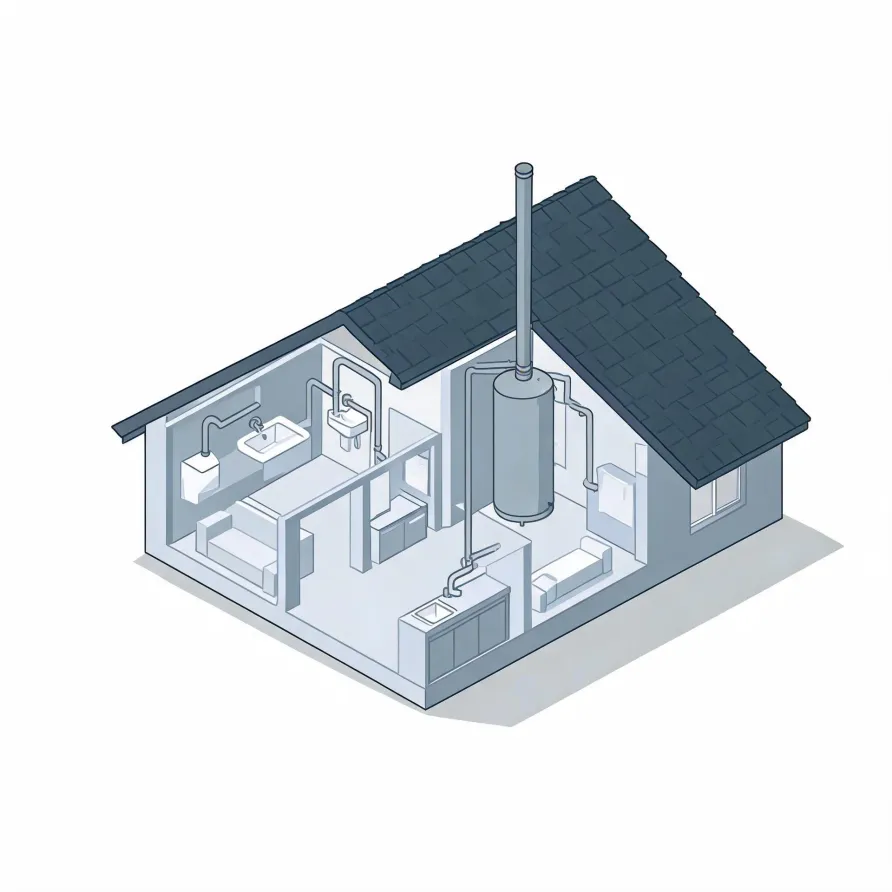
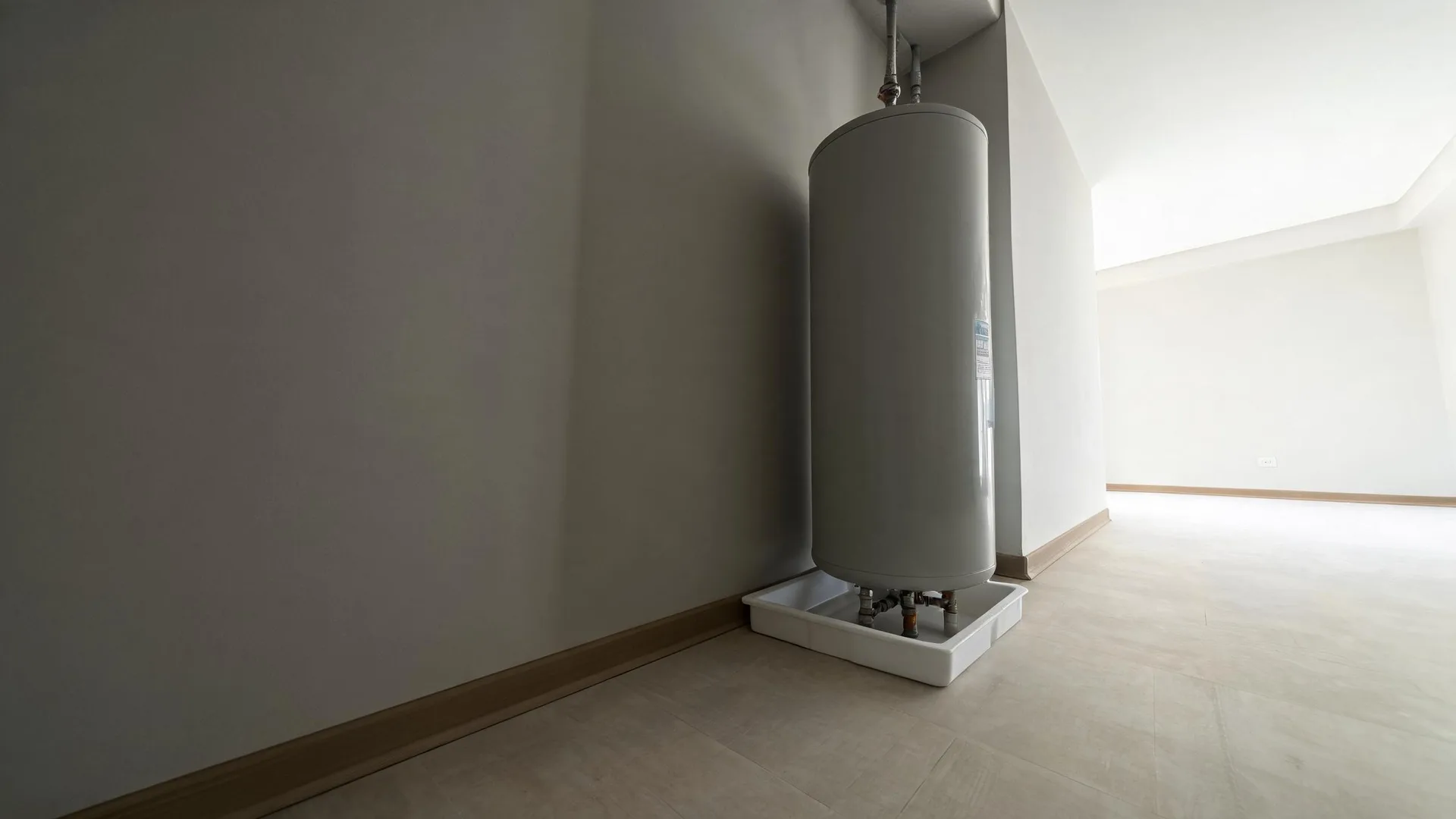
The tank or unit itself sits in a utility space, basement, closet, or garage and holds the water your household draws on. The inlet brings cold water in, the outlet sends hot water out to every fixture. A pressure relief valve mounts on the side of the tank as a safety device.
The supply lines run between the unit and the home's plumbing, and a shutoff valve sits on the cold side so water to the unit can be stopped without cutting the whole house. A drain valve at the base of the tank allows the unit to be emptied. Where the fuel source is gas, a dedicated line and a flue or vent pipe also connect to the unit.
The drawing shows a general layout of these components, and a licensed contractor determines what applies to your specific house and setup.
Get matched in Coos CountyCoos County, by the numbers
98 severe weather events were recorded in Coos County, Oregon between 2015 and 2024.
NOAA National Centers for Environmental Information, Storm Events Database, bulk CSV export, events 2015-01-01 through 2024-12-31.Half the homes in Coos County, Oregon were built in 1974 or earlier (2020-2024 ACS 5-year).
U.S. Census Bureau, 2020-2024 American Community Survey 5-Year EstimatesCoos County, Oregon holds 31,905 housing units (2020-2024 ACS 5-year).
U.S. Census Bureau, 2020-2024 American Community Survey 5-Year EstimatesOwners occupy 71.2% of the occupied homes in Coos County, Oregon (2020-2024 ACS 5-year).
U.S. Census Bureau, 2020-2024 American Community Survey 5-Year EstimatesInstallation Rules for Water Heaters in Coos County, Oregon2 sourced standards and codes
Licensing and Legal Requirements in Coos County, Oregon
Oregon’s contractor licence does not reach casual, minor or inconsequential work on one structure where the person’s contracts total less than $1,000 — and the exemption is unavailable to anyone who advertises or signs themselves as a contractor, at any price.
Oregon requires a current Construction Contractors Board licence, with the right endorsement, to undertake, offer to undertake or bid construction work.
Severe Weather Events in Coos County
Water heaters work harder when outdoor conditions are extreme, and the load a unit carries over its life is shaped by local climate. How often severe weather hits Coos County is part of that picture, which is why it belongs on a page about installation decisions here.
98 severe weather events, 2015–2024. Source: NOAA National Centers for Environmental Information, Storm Events Database.