

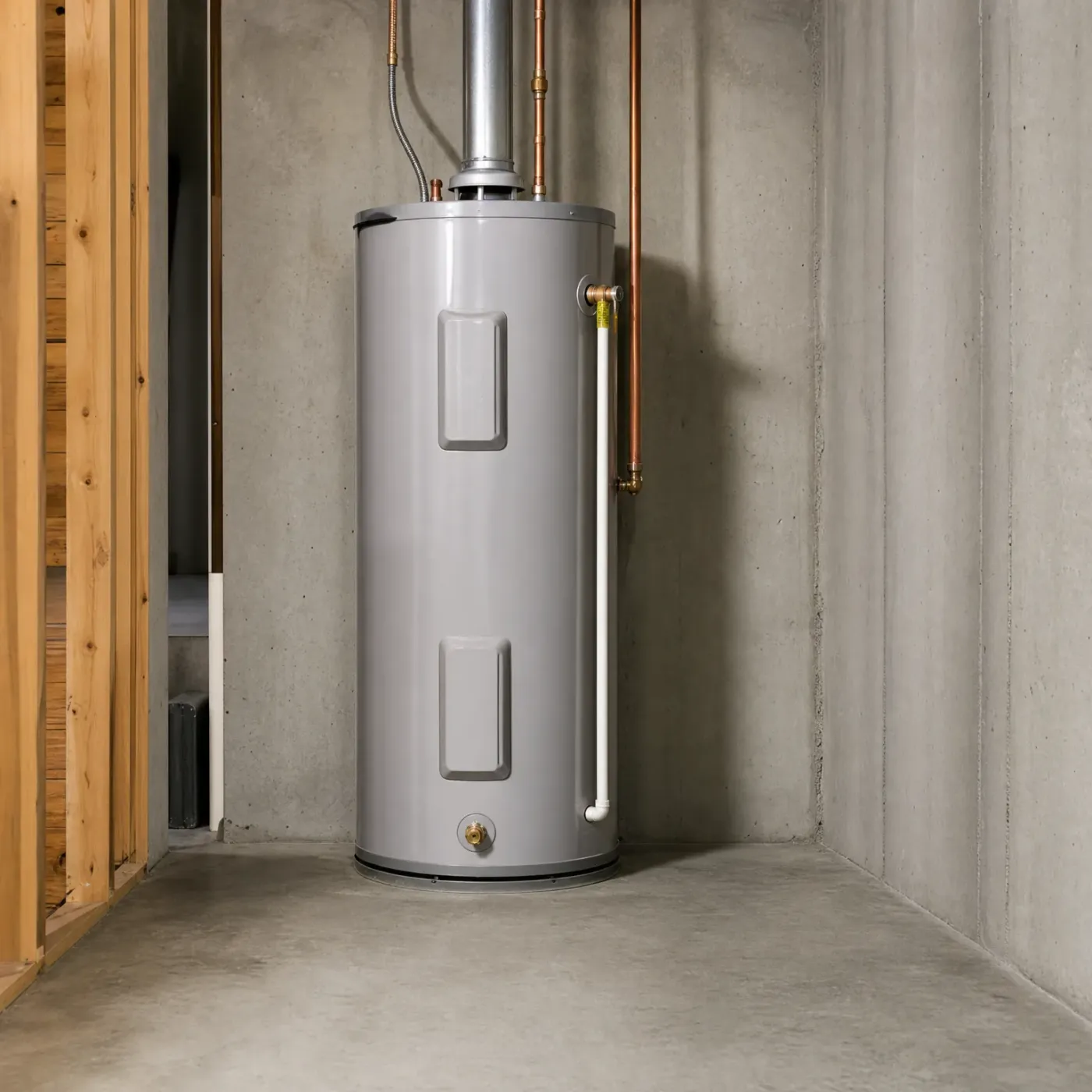
Recovering normally
Both elements fire in order, upper first, then lower, and the tank comes back up to temperature at a steady pace. The flue vent and relief valve pipe run clean, and nothing about the tank itself is working harder than it should.
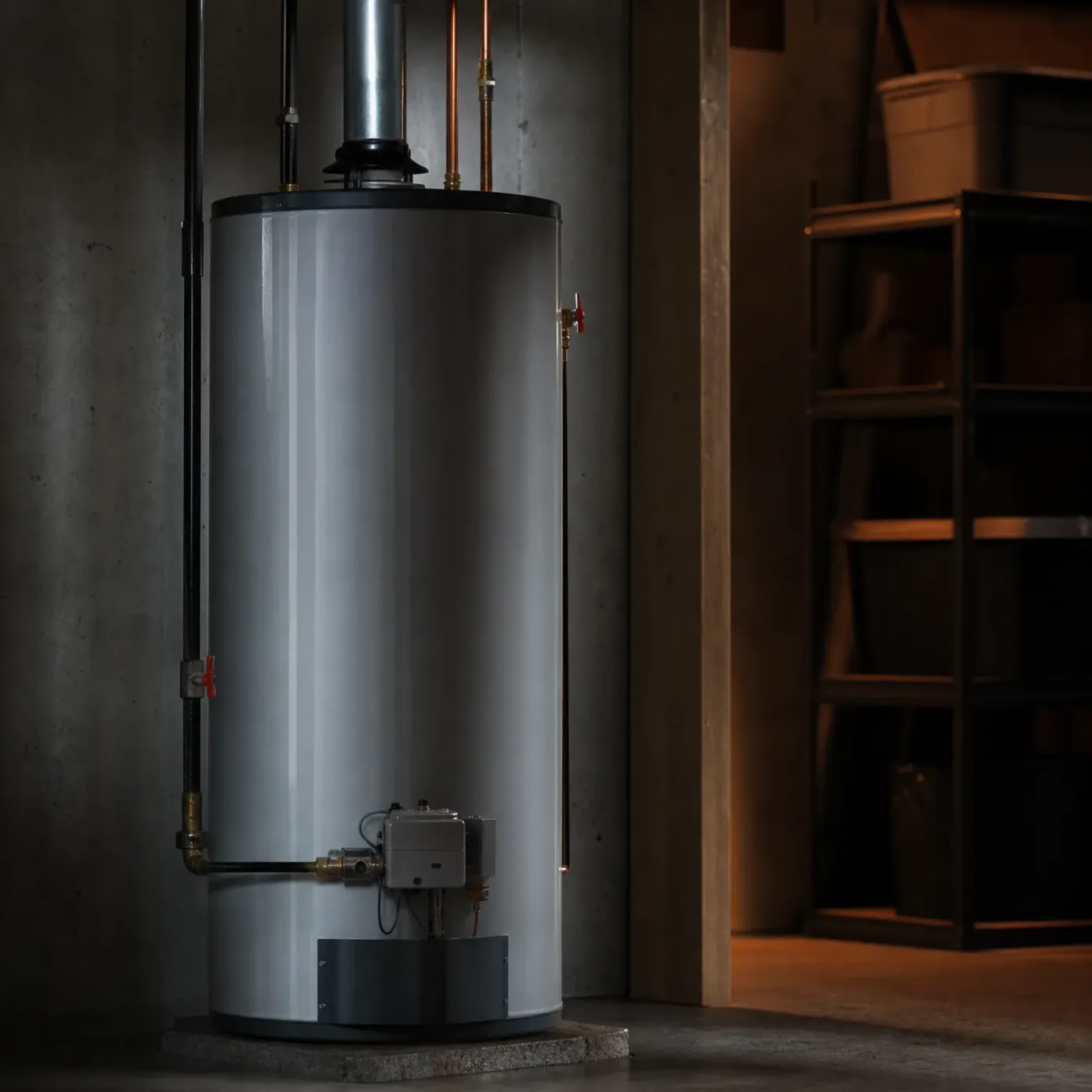
A pro who works on water heaters
A slow recovery usually means something in the tank isn't working the way it should, whether that's an electric heating element, a thermostat, or sediment buildup. This page gets into what causes it and what a fix might involve. You won't need to track down an electrician yourself or explain the problem twice, a contractor who handles this gets in touch with you directly.
Get matchedA slow recovery usually comes down to one heating element doing the work of two. Most water heaters in Oregon run on electricity, and electric tanks use a lower and an upper element to bring the water back up to temperature. When the lower element fails or burns out, the upper one keeps the top of the tank hot, so you still get warm water at first, but the tank takes far longer to recover once that runs out. Sediment settled on the bottom of the tank can do something similar, insulating the lower element so it has to work harder to heat the water around it. A bad thermostat can also leave an element cycling off before the water is actually up to temperature. Each of these points to a different part, and a technician checking the elements and thermostat with a multimeter can tell you which one it is.




An electric water heater splits the work between two elements instead of one. The upper element handles the top of the tank first. Once that section reaches temperature, the thermostat hands the job to the lower element, which finishes heating the water underneath. That handoff is what lets a 40 to 50 gallon tank recover as fast as it does. When the lower element quits, the upper one is left to heat water it was never meant to handle alone, and recovery drags out. Sediment causes a similar problem from a different angle. It settles at the bottom of the tank and sits right where the lower element needs to push heat through, so the element works longer to do the same job. A thermostat that's stuck low or out of calibration can cut power before the water's actually hot, and a tripped high-limit switch will stop an element cold until it's reset or swapped out. Any one of these turns a tank that used to keep up into one that never quite does.
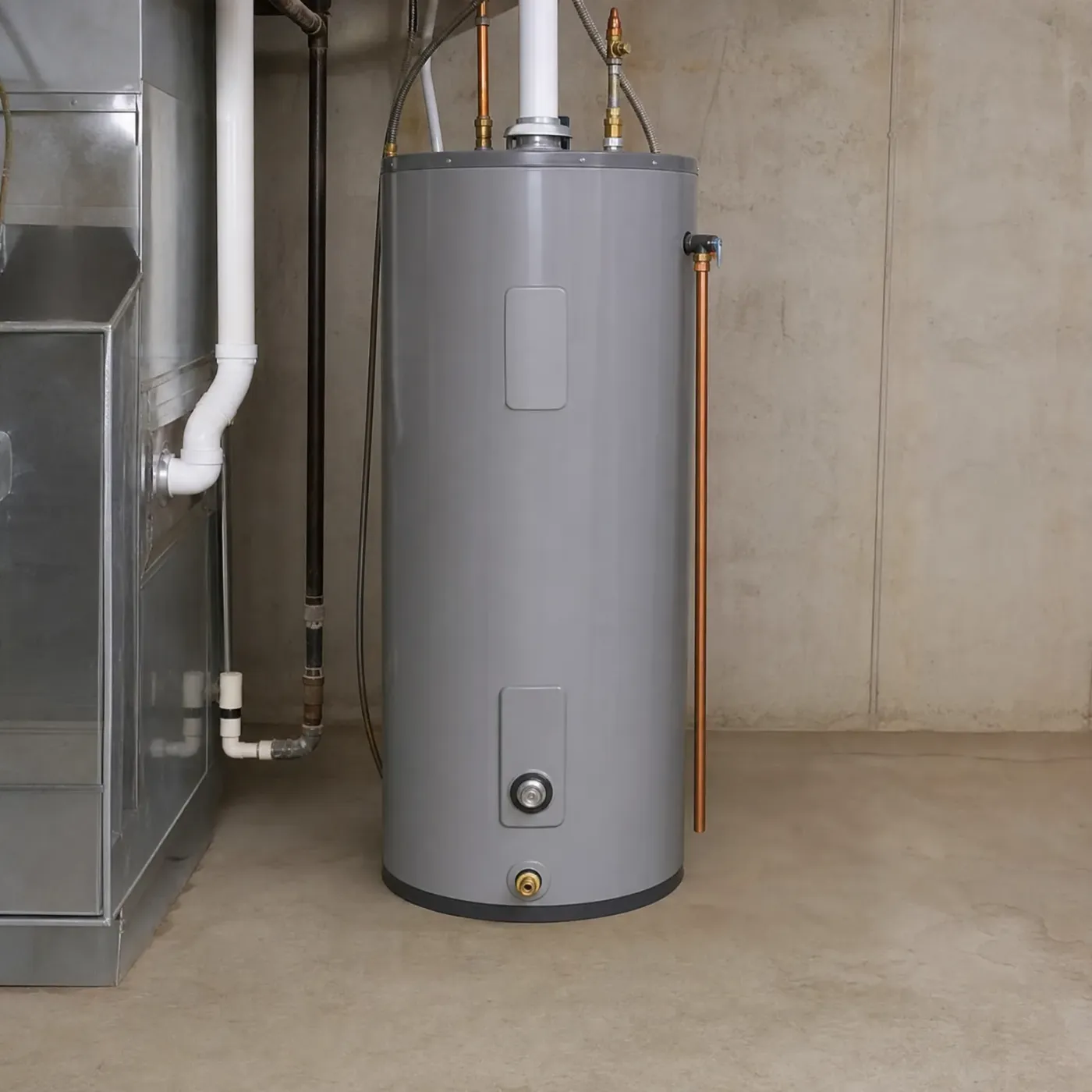
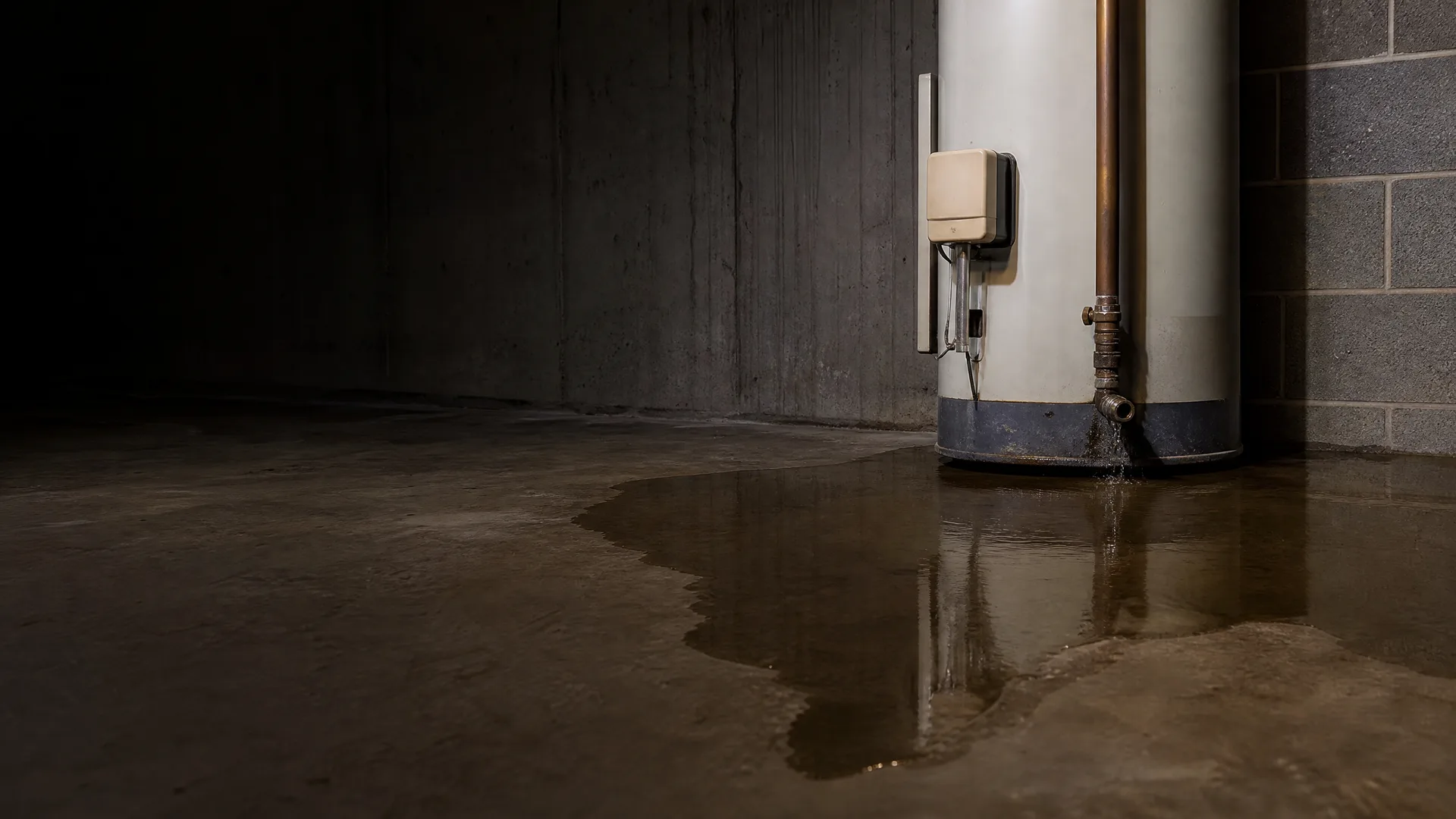
It's Saturday morning and you're down in the basement with a load of towels when you see it. Water, spreading slow and quiet around the base of the tank, already reaching the edge of the drain pan. You crouch down and touch the floor near it. Cold. The tank's been running the shower warm enough for the kids but never hot the way it used to, and now you know why. You shut off the breaker first, then the water line. Upstairs someone's waiting on hot water for dishes, and you're doing the math on how long it'll take to sort this out before everyone needs to shower tonight.
Most houses in Oregon heat water with electricity, same as they heat the house. That means two elements doing the work, and when one of them goes out, the other has to cover the whole tank by itself. That's the slow recovery you're noticing.
ACS 2020-2024 5-year B25040


Describe what your water heater is doing once, in one form.
No fee to send it, and nothing to sign.
The upper thermostat calls for heat and energizes the upper element first
Water near the top reaches temperature and the upper thermostat satisfies
Power shifts down to the lower thermostat and lower element
The lower element heats the rest of the tank, or struggles alone if it's failed
You run the shower and it goes lukewarm faster than it used to, or the dishwasher starts a cycle and the water never quite gets hot. Maybe a bath that used to take ten minutes to fill now runs the tank dry before it's full. You check the breaker and nothing's tripped. The power's on, the pilot or element should be working, but the hot water just doesn't keep up with what your household needs it to do. Left alone, a tank working on one element instead of two tends to wear that element down faster, and you're left with less hot water and a higher chance it fails outright.
Both elements fire in order, upper first, then lower, and the tank comes back up to temperature at a steady pace. The flue vent and relief valve pipe run clean, and nothing about the tank itself is working harder than it should.
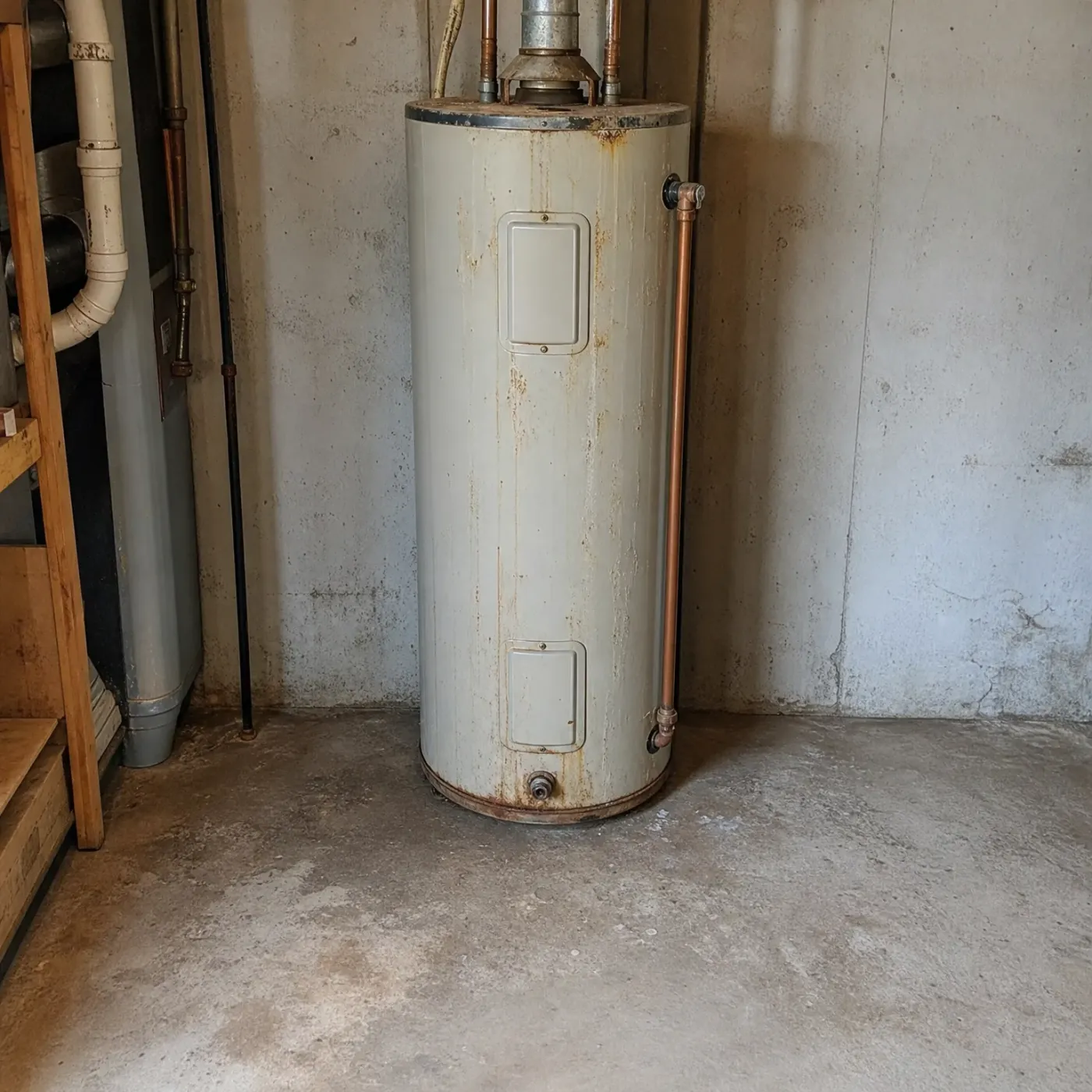
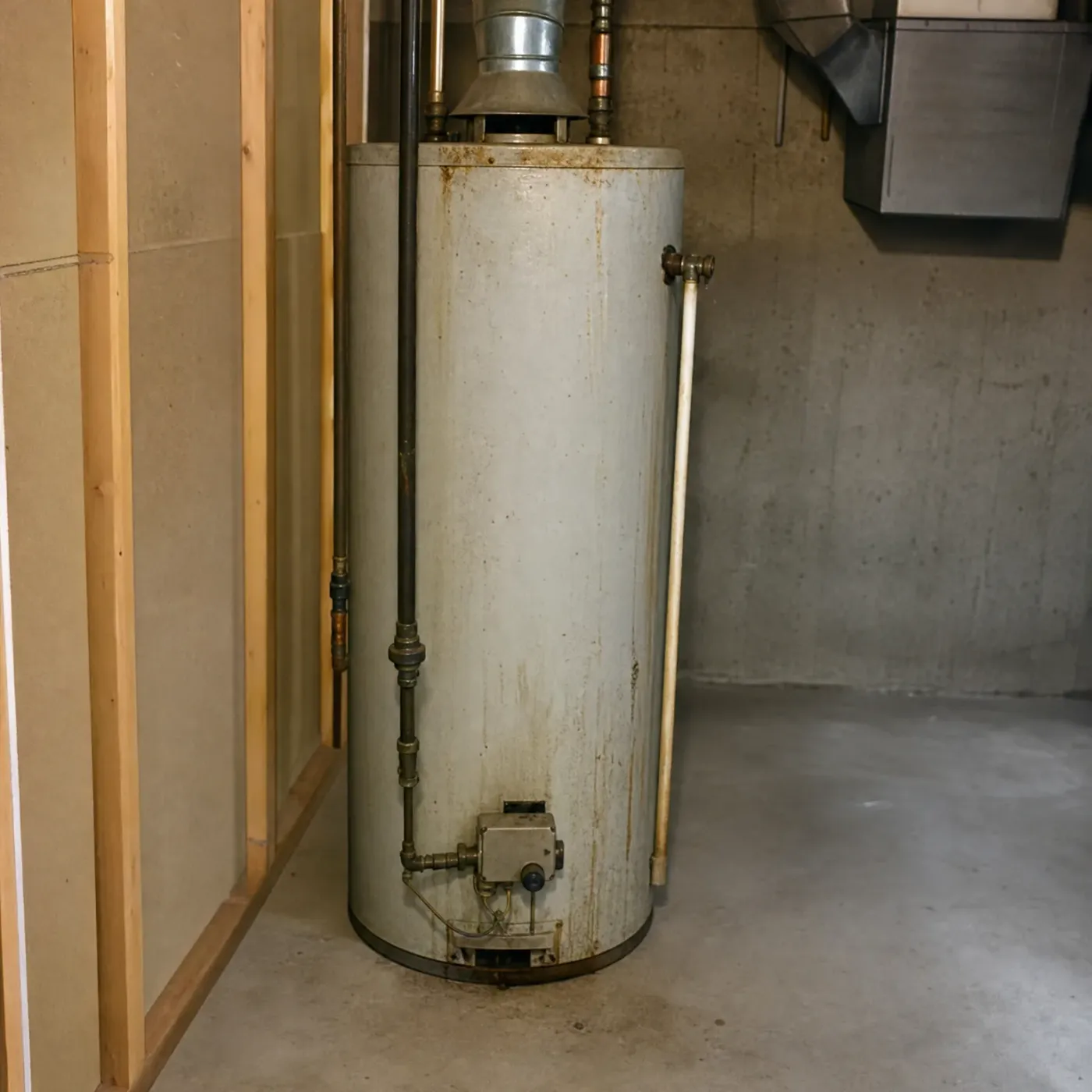
Rust and corrosion like this on the tank or its fittings often show up alongside a failing element or thermostat. A tank in this shape is usually the reason one element is left covering the whole job, and why the water never quite catches up.

A water heater that takes longer and longer to catch up isn't going to fix itself. Somewhere in that tank, an element or a thermostat is failing, or sediment has built up enough to slow the recovery down. A contractor can check the elements, test the thermostats, and tell you which one is worn out.
You don't have to figure out which part it is before you call anyone. Finding someone who works on electric tanks, explaining the lukewarm showers and the slow refill, getting quotes from different contractors to see who actually knows this problem: that part is off your plate. You'll be matched with a contractor who works on this in Oregon, and they'll reach out to sort out the rest.


The right pro for this job



