Profile view of a bearded man wearing a dark green baseball cap and a dark gray T-shirt against a plain light background.

Why your hot water is lukewarm in Oregon

Step 1 of 3: Equipment

Why is my hot water only lukewarm?

Lukewarm water that never quite gets hot is usually easy to put off since it is not a full breakdown. But when it keeps happening, it is worth catching early rather than waiting for the water to go fully cold. In most Oregon homes the water heater runs on electricity, so the cause usually comes down to one of two parts inside the tank.

One of the two heating elements has likely failed

An electric water heater has two heating elements, one near the top of the tank and one near the bottom. When both work, the water comes out fully hot. When one fails, the other still heats the tank partway, which is why you get lukewarm water instead of cold. The thermostat controlling that element can cause the same thing if it has drifted or failed. Either part can be tested and replaced without swapping the whole tank. If the water has gone from lukewarm to cold, or it takes longer each week to run out of hot water, that points to the second element starting to fail too.

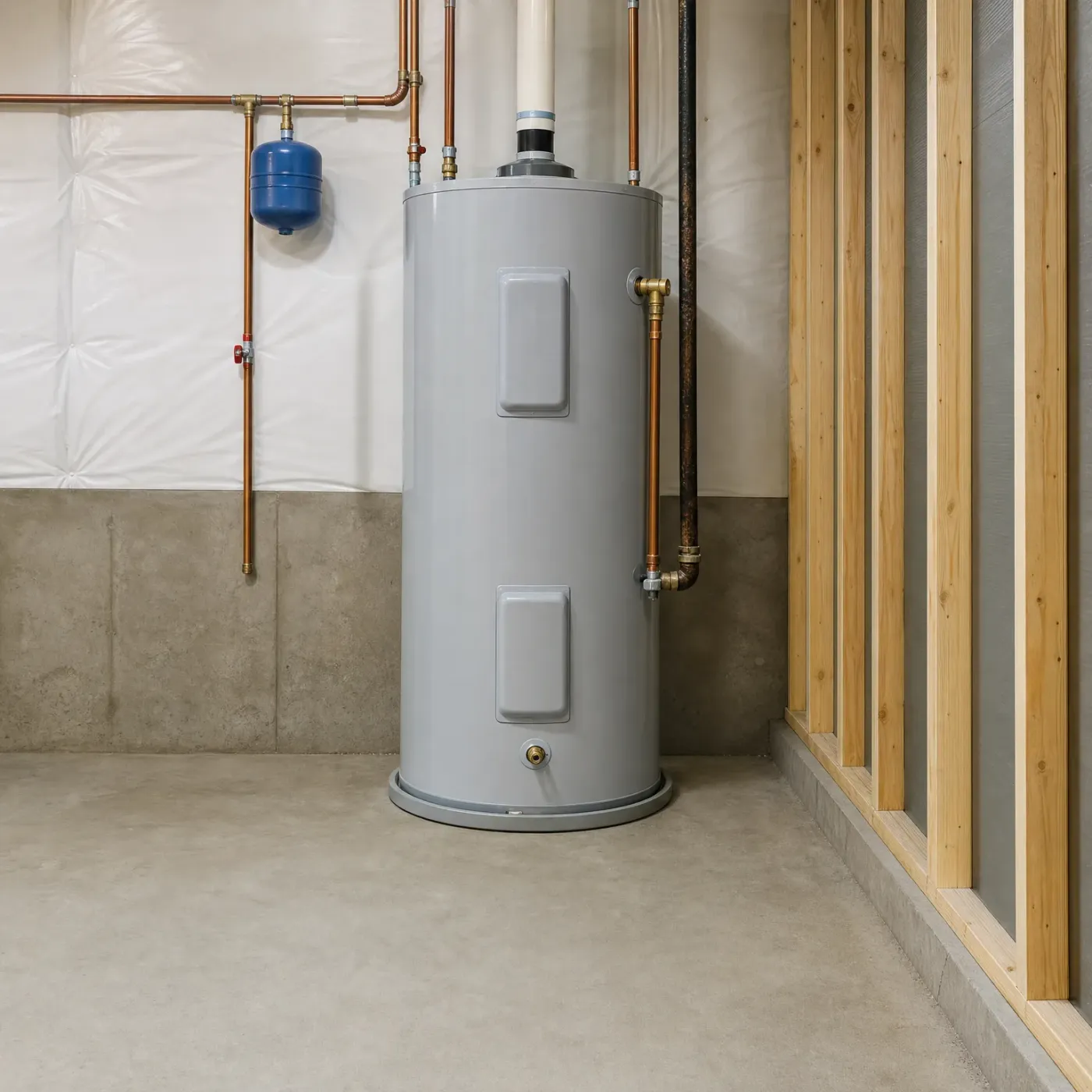
A gray cylindrical water heater stands on a concrete basement floor against a plastic-sheeted insulated wall, with copper supply pipes, a blue expansion tank, a black vertical pipe, and exposed wood wall framing at right.

Working the way it should

Water comes out of the tap hot and stays that way until the tank runs through its normal cycle. The heating element cycles on, brings the tank back up to temperature, and shuts off. No sputtering, no sudden drop partway through a shower, no second-guessing the dial.
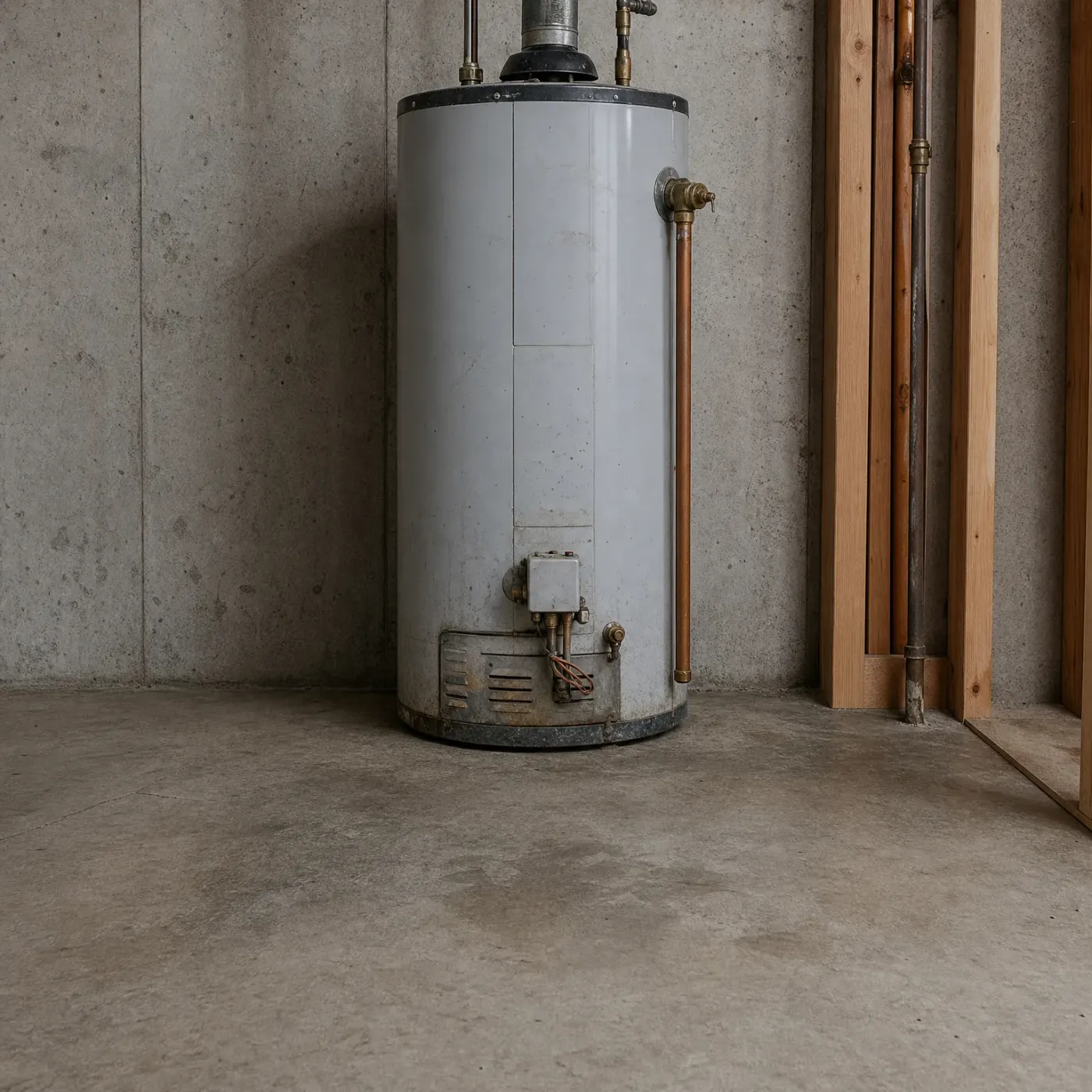
An older gray gas water heater with copper and brass piping stands on a concrete floor against a concrete wall, beside exposed wooden wall framing and vertical pipes.

Heating element wearing out

Rust and grime around the lower section are signs the unit has been working harder than it should. A failing lower element or a thermostat that won't hold its setting leaves the tank partly heated, so the first few minutes run warm and the rest never catches up.

Is this something you should look into now

Lukewarm water that shows up once might just be a bigger load on the tank than usual. Lukewarm water that keeps showing up, shower after shower, points to something that needs a look. Maybe the water starts warm and fades before you are done rinsing off. Maybe it never gets past tepid no matter how long you run it. With electric water heaters, this is often one heating element working while the other has stopped, or a thermostat that is not reading the water right. Left alone, the working element takes on the full load and wears down faster, and the tank costs more to run while it does less.

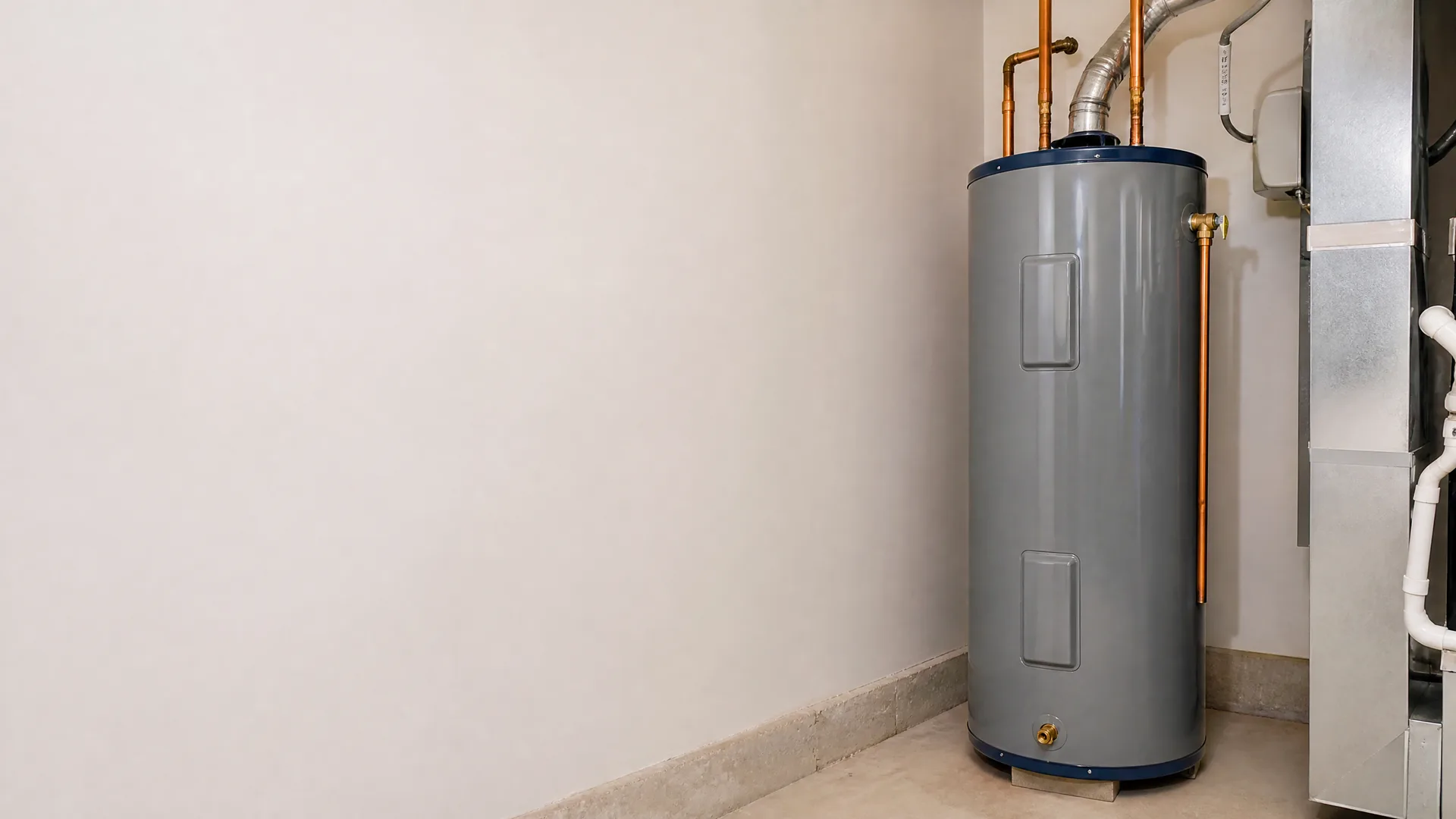
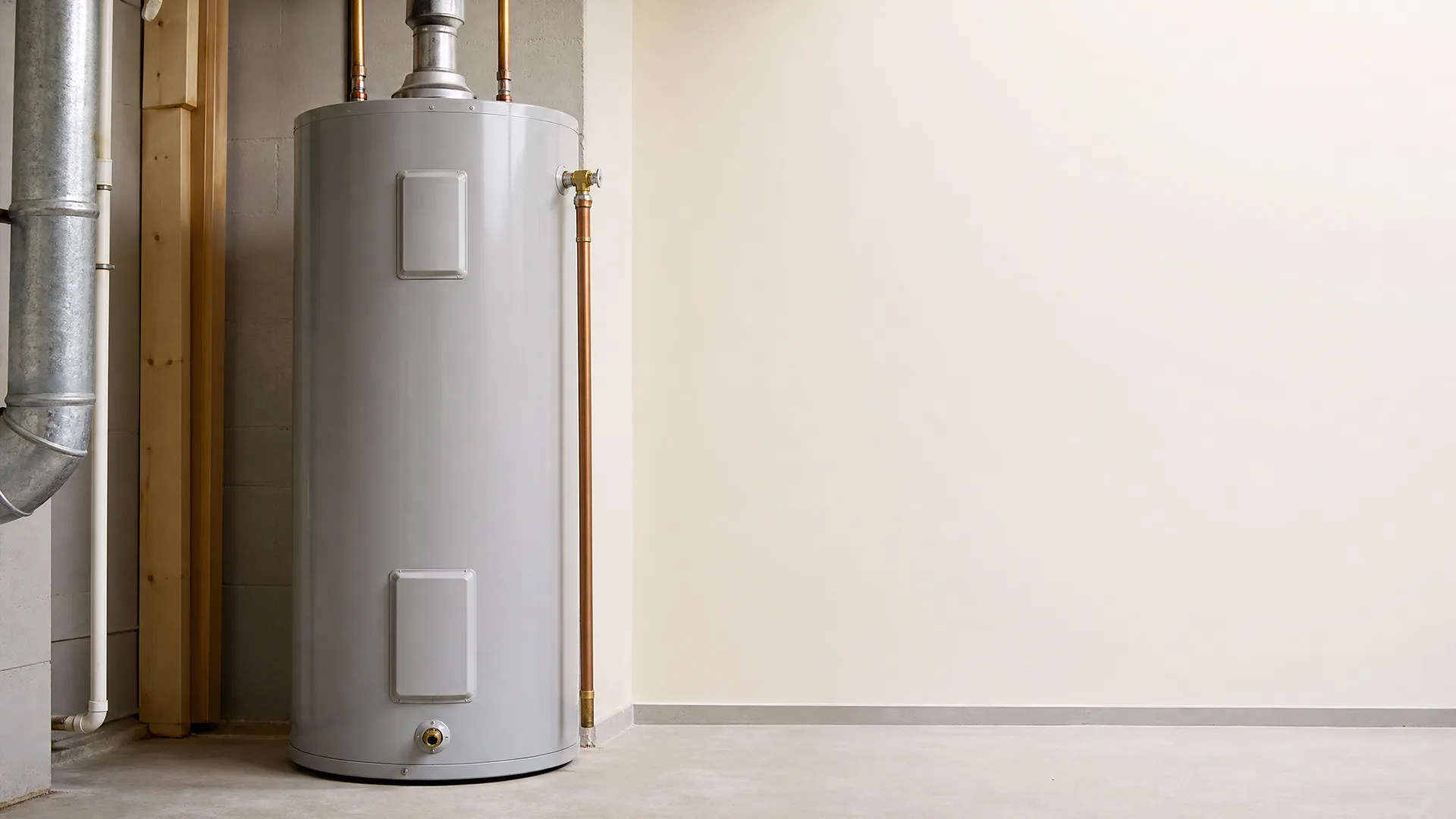
A gray cylindrical water heater with copper pipes stands in a basement corner beside a metal duct and wood framing, next to a plain beige wall and concrete floor.

Two elements, two jobs

Most electric water heaters have an upper and a lower heating element, each with its own thermostat. The upper one handles the top of the tank, where water draws off to the faucet first. If that element fails but the lower one still works, the tank keeps making warm water, just not hot. That split is why the problem can show up gradually instead of all at once.

A gray cylindrical water heater with copper pipes stands in a corner of a basement utility room beside metal ductwork and white PVC piping.

What a failing element looks like

A heating element draws power the whole time it is on. One that has gone weak may still heat, just slower and to a lower ceiling than the thermostat is asking for. Sediment settling on the lower element does something similar, insulating it from the water around it. Either way, the tank runs longer to make less heat, and the power it uses does not match what comes out of the tap.

53.5% of homes statewide heat with electricity

With over half of Oregon homes running on electricity, yours is likely one of them. That means your water heater probably depends on one or two electric elements to get the tank hot, not a gas burner. When the water only gets partway there, one of those elements is the first thing worth checking.

ACS 2020-2024 5-year B25040

One element working alone can still get water hot. It just does it slower, so the tank never quite catches up between showers, and lukewarm is what reaches the tap.

Both elements working won't heat the water if the thermostat controlling them is set too low or has drifted off its mark. Replacing the element you suspect won't fix that.

A bearded man in a plaid flannel shirt stands in a kitchen looking out a window toward snow-covered shrubs, with a steaming mug on the windowsill and potted plants on a shelf behind him.
A smiling man with dark curly hair in a navy t-shirt sits on a gray couch indoors, with a large-leafed plant and a window in the background.
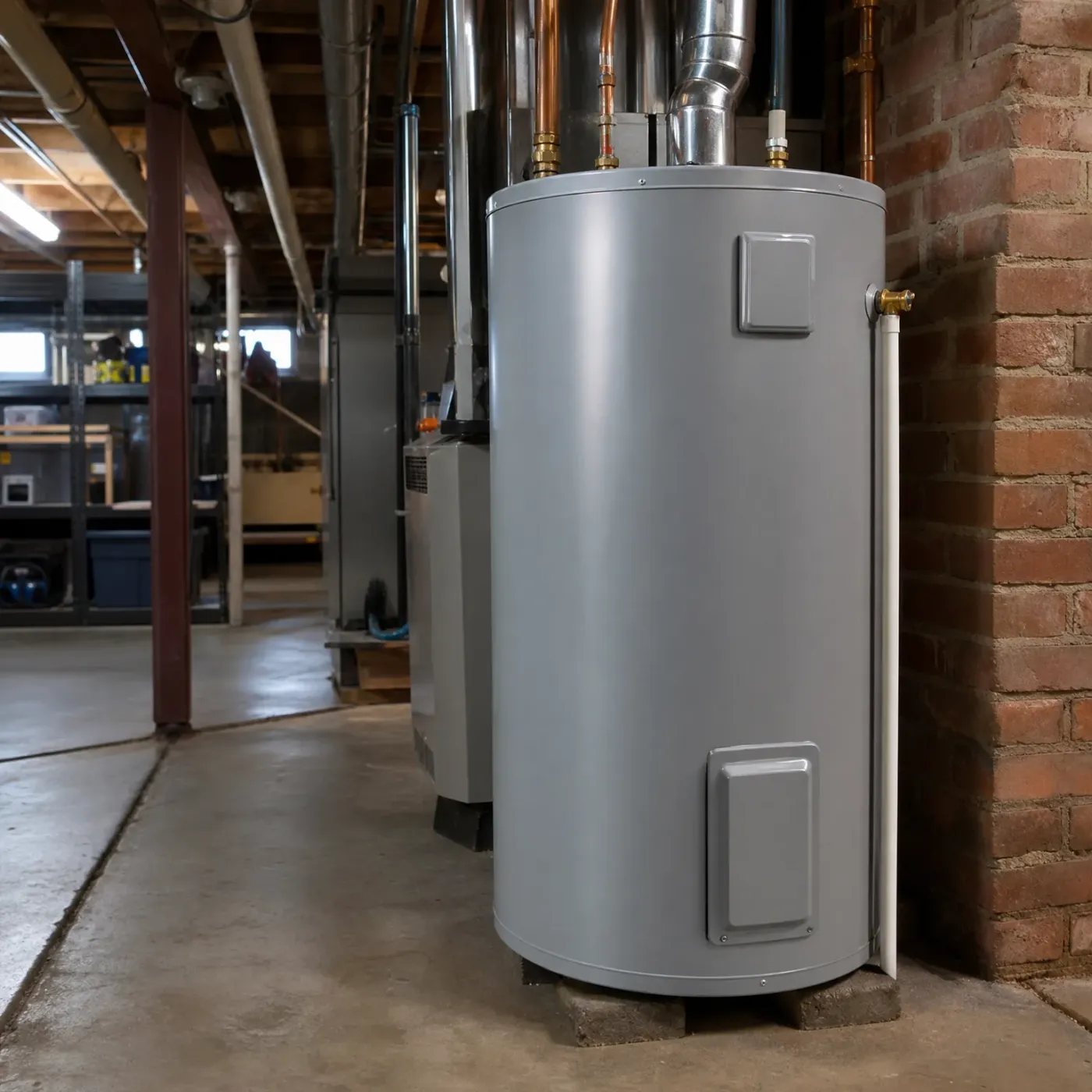
A gray cylindrical water heater with two access panels stands on concrete blocks beside a brick wall in a basement, with copper and metal pipes above and shelving visible in the background.

A local pro for your water heater repair

Send the request today and let a water heater pro reach out to you.

A local pro who knows water heaters gets your details and gets in touch.

Request a pro

No fee to send it, and nothing to sign.

One Weak Spot or Two

One Element Out

  • Water still reaches the tap warm, just not hot enough, because the surviving element keeps working on its own.
  • Recovery between showers takes longer, so the second or third person in line gets water that never quite catches up.
  • A tripped thermostat or a burnt-out element usually causes this, and either one is a straightforward swap for a licensed contractor.
  • The tank itself is usually fine, since the shell and insulation aren't what failed here.
  • Water temperature tends to be consistent but low, not swinging hot and cold within the same shower.

Both Elements Weak or Miswired

  • Both elements are drawing power but neither is bringing the tank up to full temperature, often from a thermostat set too low or wiring that's degraded.
  • Temperature can be uneven, warm at the start of a shower and cooler by the end, since neither element is carrying the full load well.
  • This points past a single part and toward the wiring or control setup feeding both elements.
  • A contractor checking this will likely test voltage at both elements, not just swap one part and hope.
  • Fixing it can mean more than a single-part replacement, since the thermostat and wiring both need a look.
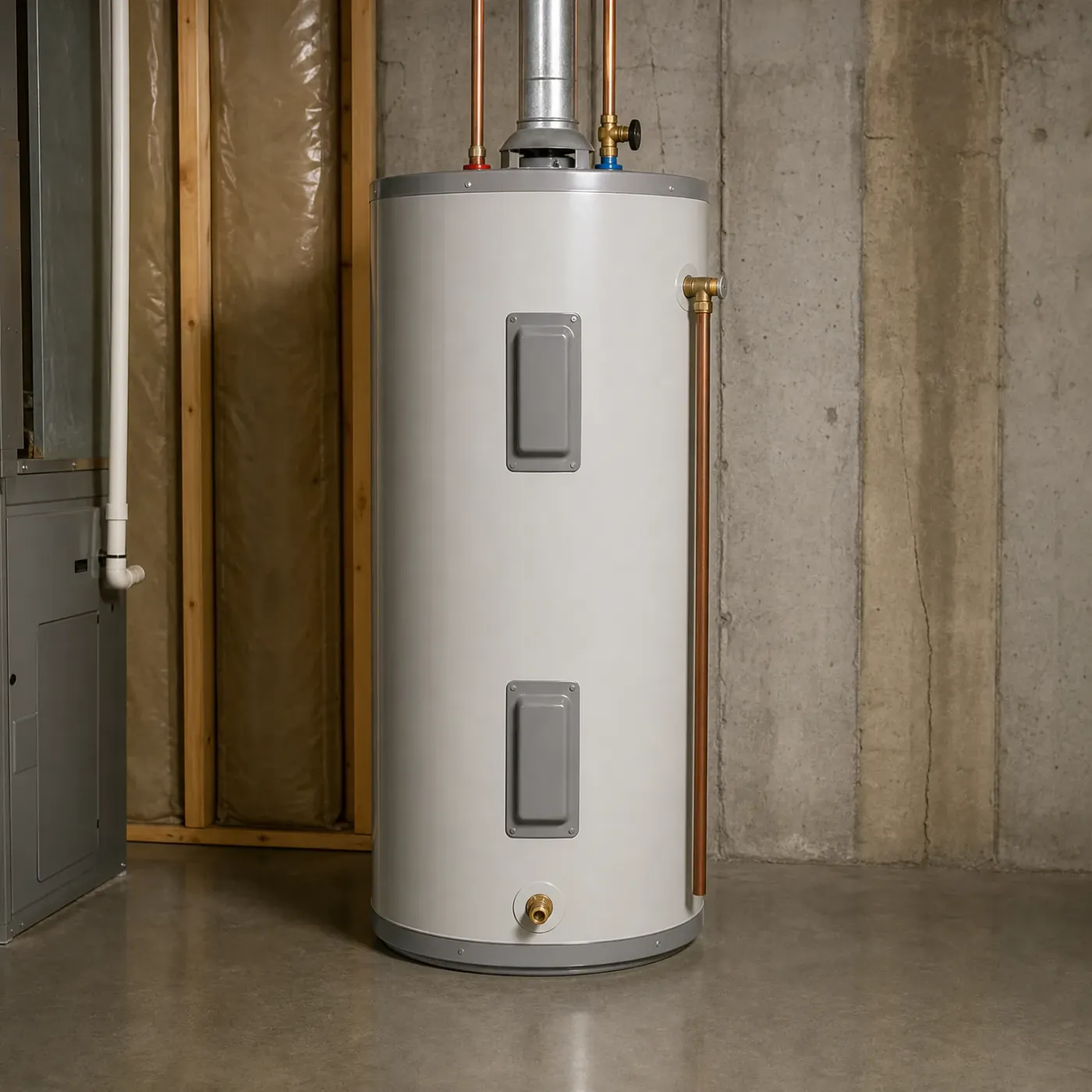
A white cylindrical water heater with two access panels, copper supply pipes and a metal flue, standing on a concrete floor against a concrete wall beside insulated wood framing and a gray electrical panel.

Tank doing its job

Copper lines carry water in and out, the flue vents up top, and both thermostat panels sit flush on the front. Water heats fully and stays hot until the tank cycles again. Nothing about the tank itself is working against you.

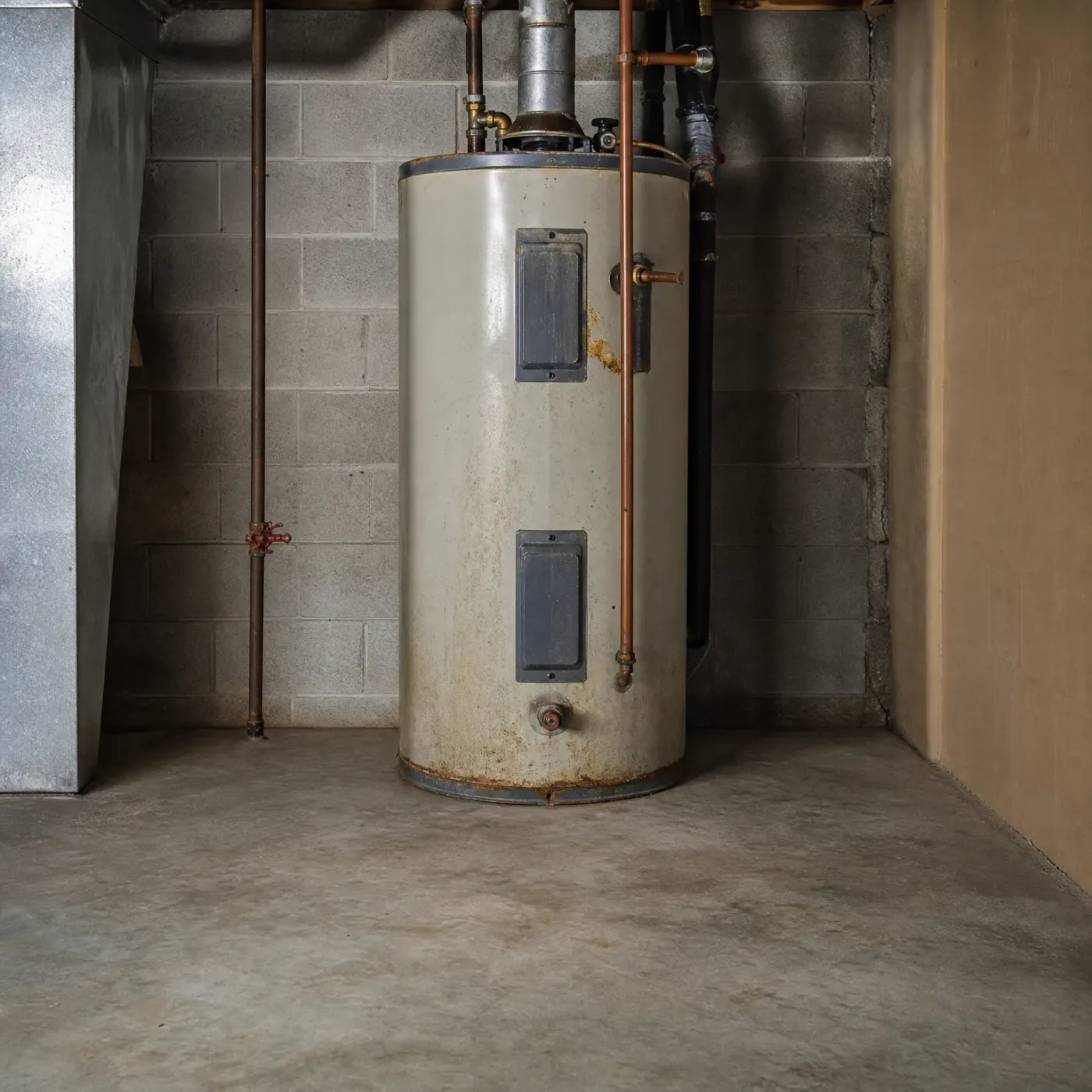
An aging cream-colored water heater with rust streaks and two access panels stands on a concrete floor against a concrete block basement wall, with copper and black pipes running up to the ceiling and a metal duct at left.

Rust tells its own story

This tank shows rust spreading across the white casing, the kind of wear that builds up over years. Rust on the outside doesn't mean the elements inside have failed, but it's a sign the tank has been through a lot and is worth a look.

A woman in a gray turtleneck sweater stands by a window looking outside at snowy ground, with a dimly lit living room containing a sofa, shelves, lamp and a lit candle behind her.
A woman in a cream cable-knit turtleneck sweater stands in a warmly lit living room with a fireplace and shelves behind her, looking out a window toward snow-covered trees and a railed deck.
A woman in a cream knit turtleneck sweater stands by a window looking out at snow, with a lit fireplace, sofa and lamp in the room behind her.
A woman in a gray knit sweater sits by a window looking out at falling snow, with a dimly lit living room containing a sectional sofa, pillows, a lamp and houseplants behind her.

What the lukewarm water tells you

  • Lukewarm water that keeps repeating points to a failed element or a thermostat set too low, not something that fixes itself.
  • A single working element can still deliver warm water, which is why the problem can go unnoticed for weeks before showers turn cold partway through.
  • Checking the thermostat setting first can rule out the simplest cause before assuming an element has failed.
  • Once a contractor is matched to your situation, the search for who to call is no longer something you have to carry.
  • Catching a failing element now, while one side still works, keeps a partial problem from turning into a full tank replacement.
  • Oregon's electric water heaters depend on those elements doing their job together, so one going quiet is worth a look.

Lukewarm water almost always comes down to one of two things. Either a heating element has failed and the other is carrying the tank by itself, or the thermostat is set lower than it needs to be. Both are easy to overlook at first because the water still comes out warm. It just stops being hot enough by the second or third shower, and that gap tends to grow rather than close on its own.

Checking the thermostat is worth doing before anything else. If that is not the cause, the next likely answer is an element that has stopped working while the other one keeps the tank going. That is the moment to get it looked at, because a tank running on one element is still working, but it is working harder than it should, and electric water heaters in Oregon depend on both elements doing their share.

Once you send the form, the work of finding someone to look at it is off your plate. You will be matched with a contractor who handles this kind of repair, and they will be the one reaching out to you from there. There is nothing more to track down on your end. Catching this now, while part of the system is still doing its job, is what keeps a lukewarm shower from turning into a cold one and a much bigger repair down the line.

Interior room corner with sunlight from a window, showing peeling paint and damaged plaster on the wall above a white baseboard, a wooden cabinet with a pale bowl on top, hardwood floor and a patterned rug.
Interior corner of a room with tan walls, white profiled baseboard and window trim, a wood-plank floor in sunlight, and green foliage visible through the window.
An empty room corner with cream walls, white baseboard, two windows with deep sills showing green foliage outside, and a wood plank floor lit by sunlight.
Empty room corner with beige walls, white beadboard wainscoting, chair rail and baseboard, a window with green foliage outside, and sunlight casting leaf shadows on the wall above a wood floor.
Sunlit room corner with a multi-pane window, beige walls, white baseboard, wood floor with a woven rug, and a dark wooden cabinet holding a ceramic table lamp below a framed picture.

Get the right pro for your water heater

Get the water heater repair search off your mind today.

Hand off my repair

Sending the form costs nothing.