Tank or tankless water heater for an Oregon home

A local installer who puts in water heaters gets your project.

Match me with a pro

Most Oregon homes do fine with a tank, and that's still the simpler choice if yours heats water with electricity. A tankless unit needs a strong electric supply or a gas line to heat water fast enough on demand, and running one on electric alone often means upgrading the wiring to handle it. A tank just holds a set amount hot and ready, no special hookup needed. Where tankless pulls ahead is in houses with a lot of people running showers and laundry back to back, since a tank can run out and needs time to recover. If your household is small or your hot water use is spread through the day, a tank will likely cover you without the extra electrical work. If you're replacing what's there now, matching the fuel type you already have is usually the easier and cheaper path.

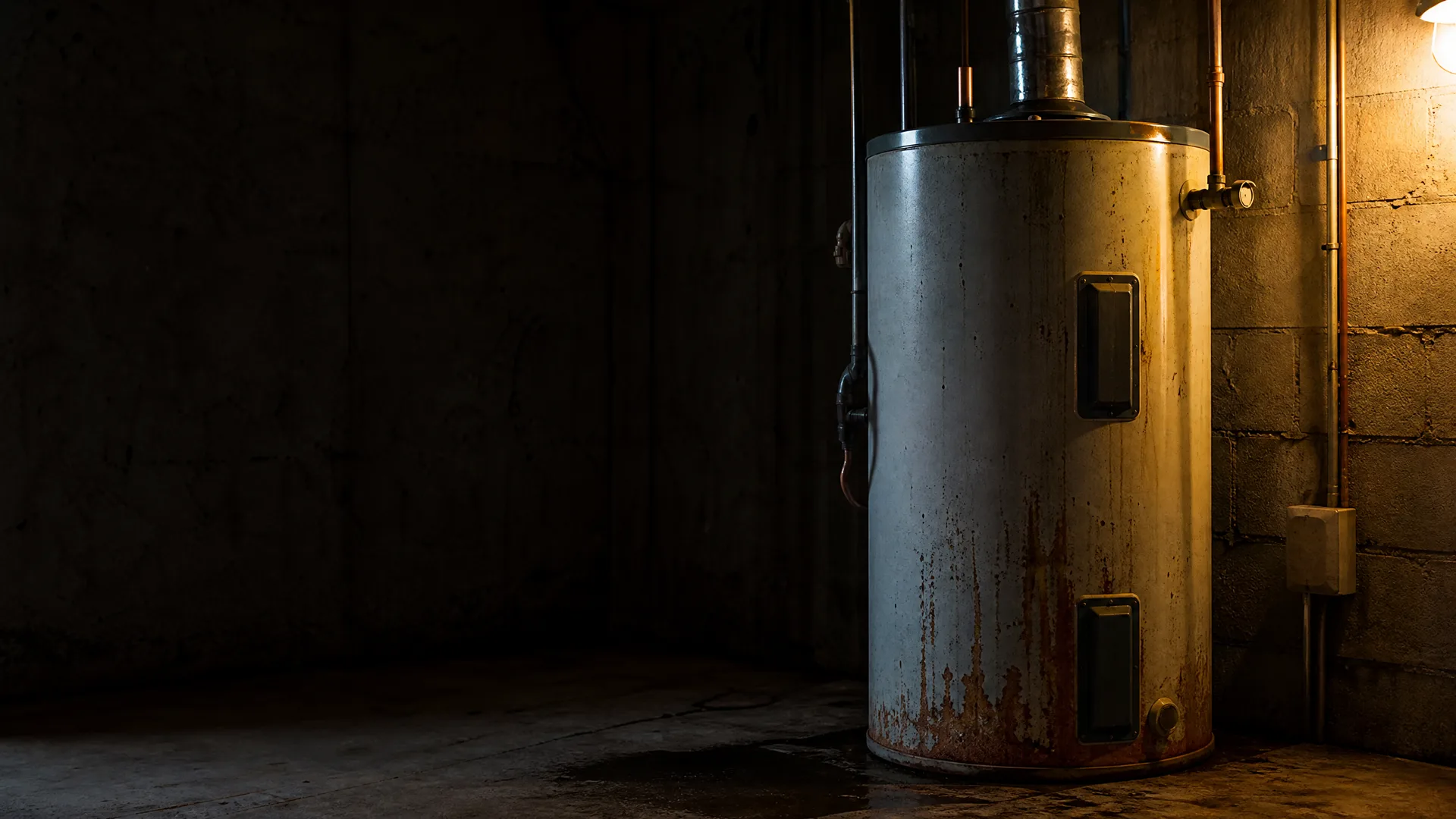
A rusty cylindrical water heater with copper pipes and a flue stands against a concrete block wall in a dim basement, lit by a single bare bulb at the right.

You go down to shut off the lights and see it again, the rust at the base of the tank, two streaks running down into the drain pan. It's early evening, still a little warm from the day, the kind of mild Oregon night where you're not running the AC or much of anything. The water heater sits in the corner where it's sat for years, humming along. You crouch down and touch the streak and it's damp, not just old staining. You think about how it's electric, like most everything else in the house, and whether that means a tank again or something else. You turn the light off anyway and go back upstairs, meaning to call someone about it this week.


Tank or Tankless for Your Home

Tank

  • A standard electric tank works with the wiring most Oregon homes already have, so there's no upgrade to the electrical panel to plan for.
  • If the tank fails, a plumber can usually replace it the same day, since the parts and sizes are common.
  • You get a backup supply of hot water sitting ready, which matters if several people are showering or running the dishwasher at once.
  • Oregon's power stays close to average in price, so the running cost of keeping forty or fifty gallons hot doesn't swing the way it might somewhere with expensive electricity.
  • A tank install is usually a straight swap, same spot, same connections, which keeps the job simple.

Tankless

  • An electric tankless unit needs enough amperage to heat water the instant you turn on the tap, and a lot of homes need a panel upgrade to supply that.
  • There's no tank sitting full of water, so you lose the rust-through-the-base failure that shows up as a leak in the pan.
  • It only heats water while it's running, so there's no standby tank losing heat between uses.
  • Without a gas line, getting a tankless unit to keep up with two showers running at once can ask more of your home's electric service than it has to give.
  • Installing one usually means changing the connections and sometimes the wiring, not just swapping a box for a box.
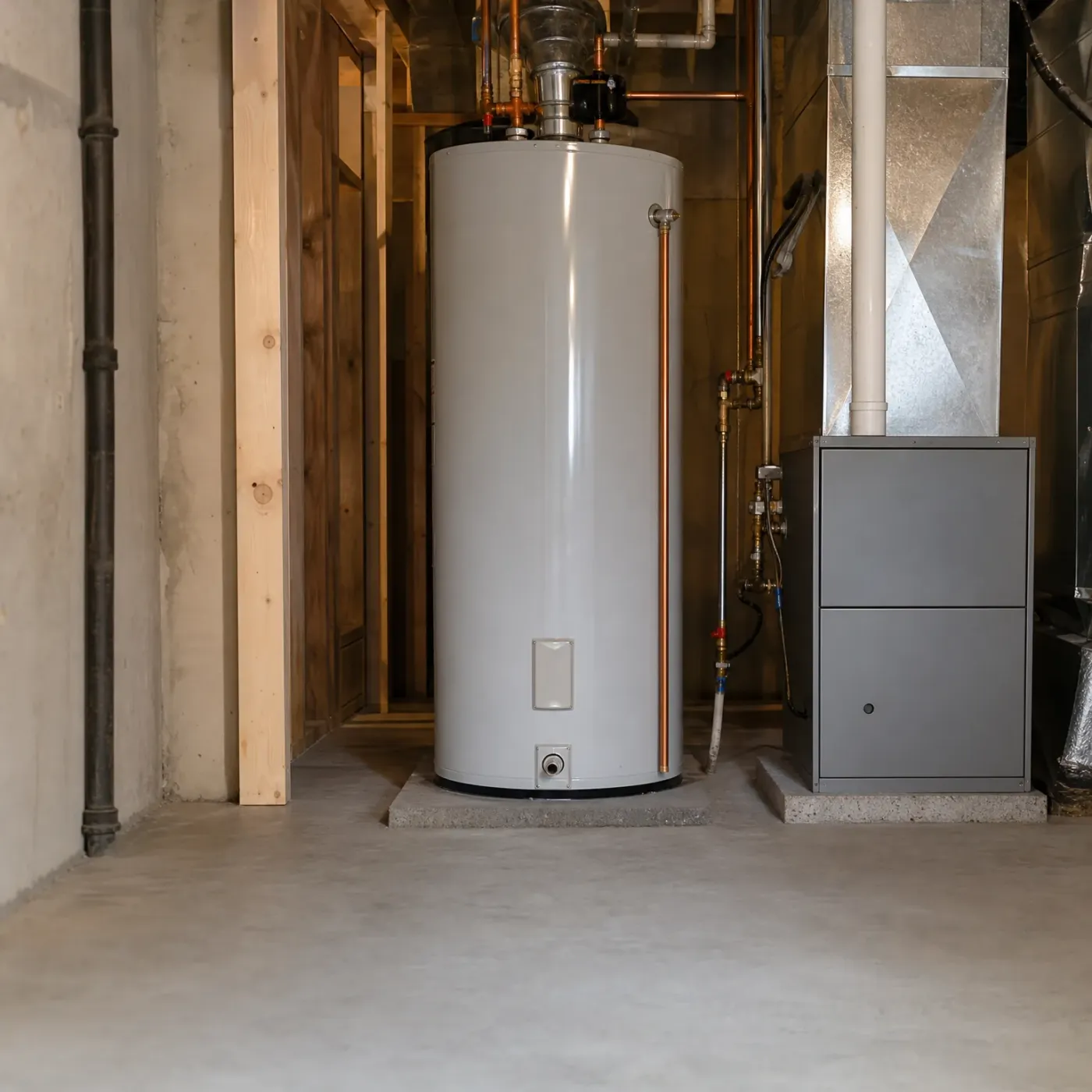
A white cylindrical water heater on a concrete pad in a basement, with copper and metal piping above it and a gray furnace cabinet with ductwork to the right.

Tank, working fine

A tank water heater sits next to the furnace and does its job without asking for anything special. It runs on the wiring already in the wall, keeps a supply of hot water ready, and shares the mechanical room with the rest of the house's equipment without any changes to the panel or the gas line.

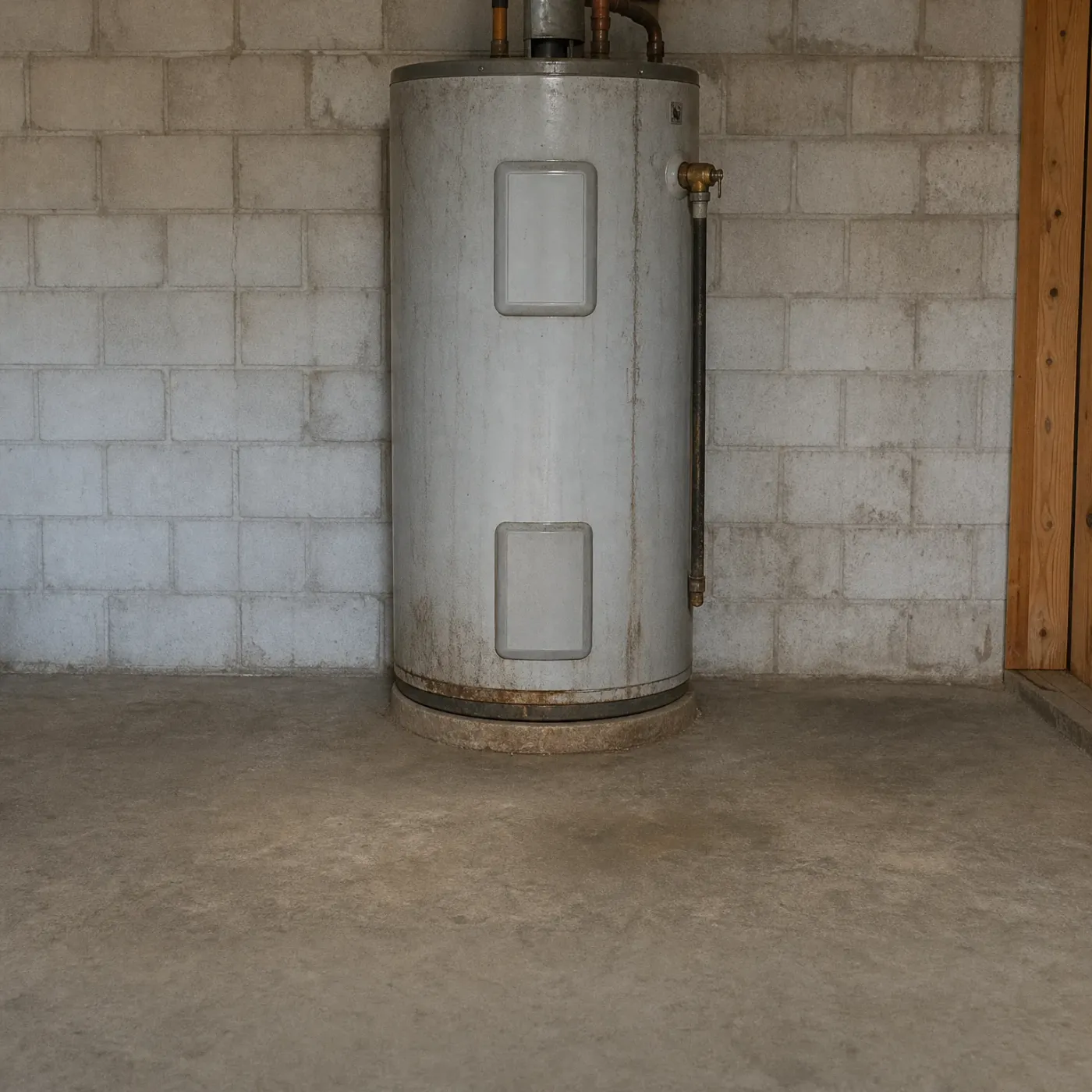
A cylindrical water heater with two access panels and copper pipes stands on a concrete floor against a painted concrete block wall.

Tank, past its time

Rust along the base and streaks down into the drain pan mean the tank is failing, not just aging. Once the steel starts to go, it doesn't stop. A water heater in this shape needs replacing before it leaks through the floor, and that's true whether the next one is another tank or a switch to tankless.

A gray-haired, bearded man in a dark coat dusted with snow stands smiling in a dimly lit room with a lamp, mirror, framed art, and a sofa in the background.
An older man with white hair and a beard, wearing a dark snow-dusted coat and scarf, stands in a warmly lit interior hallway with a framed landscape picture, a table lamp and a potted plant behind him, and a snowy view through a window at left.
An older man in a dark snow-flecked overcoat and scarf stands smiling in a warmly lit home entryway, with a glass-paned door showing darkness outside and a lamp-lit room visible through a doorway behind him.
An older man with gray hair and a beard, wearing a dark snow-dusted jacket and scarf, stands smiling in a warmly lit interior hallway with a lit table lamp, a vase of dried branches, and a framed picture in the background.
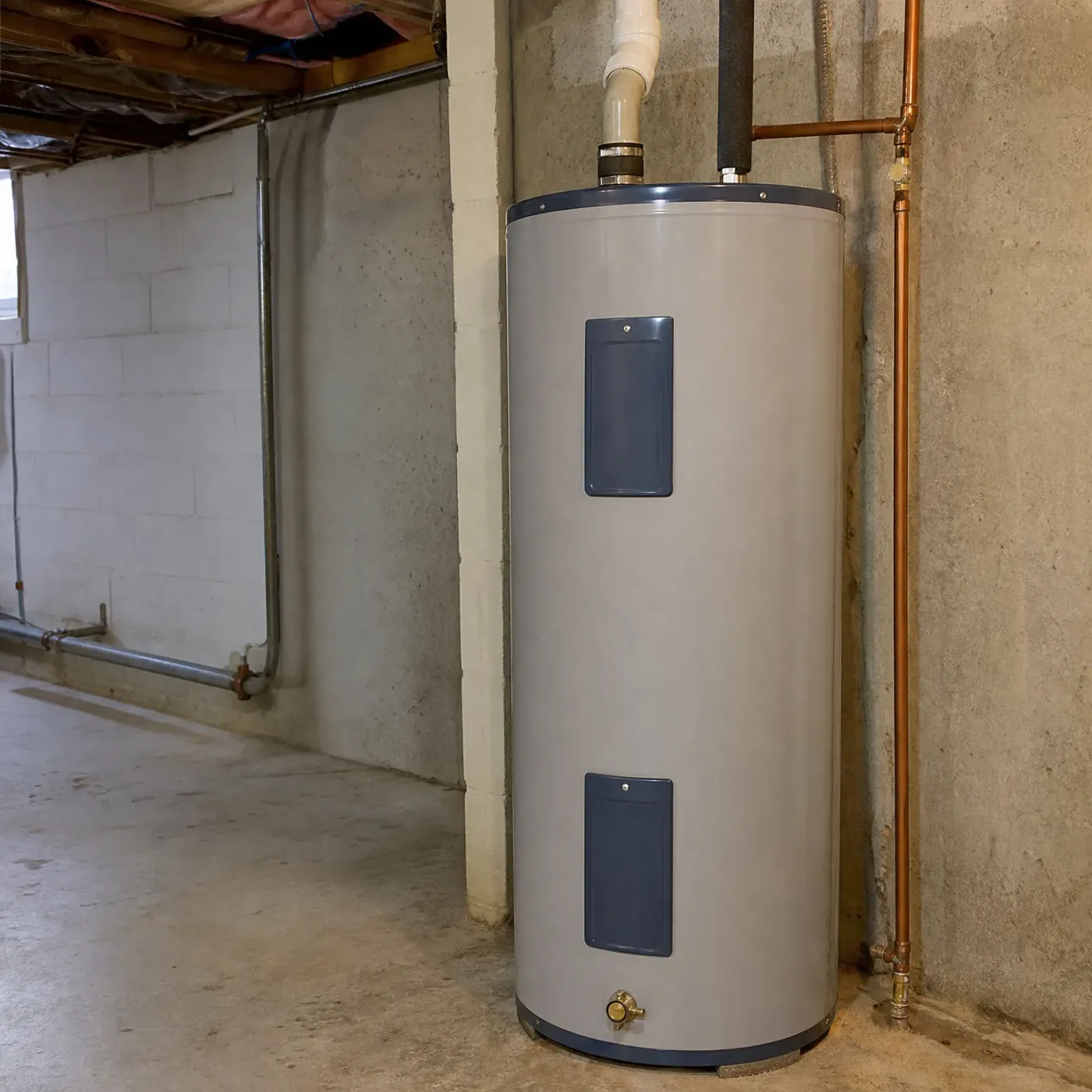
A tall gray cylindrical water heater stands in a basement corner against concrete block walls, with copper and metal pipes running along the wall and a vent pipe at its top.

Matched to your water heater job

One installer gets your project, so there's no bidding war over it.

Get in touch with a local installer about a new water heater.

Find a licensed pro

You're not committing to anything by asking.

A gray cylindrical water heater stands in a basement corner against a concrete wall, with copper pipes, insulated flex lines, a metal flue, and insulated wall framing with ductwork to the right.
A gas tank water heater like this one keeps supply and return lines simple and the flue doing its job.
A rusting gas water heater with copper and steel pipes stands against a concrete block wall on a bare concrete floor.
Rust at the base and corroded fittings like these mean the tank is near the end, electric or gas.

An electric tank keeps a full cylinder of water hot around the clock, using one or two elements that switch on when the temperature drops and off when it's satisfied. That's why it's always ready, and why it's heating water even at 3 a.m. when nobody's using any. A tankless unit skips the storage. It sits idle until a faucet opens, then heats water as it passes through, gas by lighting a burner and modulating the flame, electric by pulling a heavy momentary load through dedicated wiring built for it. Neither type cares about volume the way the other does. The tank's limit is how much hot water is sitting there waiting, so a long shower can drain it. The tankless limit is flow rate, how many gallons per minute it can heat on the fly, so two showers at once can ask for more than it can deliver. One other thing worth knowing on the tank side: the anode rod inside is supposed to corrode. That's its job, protecting the steel tank, and it's worth checking well before rust shows up at the base.

How Each Type Actually Heats Water

  • An electric tank heats water with one or two resistance elements that cycle on and off to hold the tank at your set temperature.
  • A tankless unit only fires when a faucet or shower opens, so it has no standing tank of hot water waiting to cool and reheat.
  • Electric tankless models pull a large momentary load through heavy gauge wiring, often 40 to 50 amps on dedicated breakers.
  • A gas tankless unit lights its burner the moment it senses flow, then adjusts the flame to match how hot you've set the water.
  • Flow rate is what limits a tankless heater, not storage, so two showers running at once can outpace what one unit can heat on demand.
  • A tank's anode rod corrodes on purpose to protect the steel lining, and it needs checking well before the rust you saw shows up.
A woman wrapped in a thick beige fleece blanket sits on a sofa with an open book on her lap, beside a lit table lamp, with a frost-covered window behind her.
An older woman with gray hair in a bun and glasses, wearing a beige knit sweater, smiles while looking to the side in a warmly lit kitchen, with a loaf of bread on the counter in the foreground and a snowy scene outside the window.

53.5% of homes statewide heat with electricity

If your house is one of the many here that heat with electricity, that same panel is what your water heater has to work with. A tankless unit asks for a bigger draw than most electric panels are built to give, which is why a tank still fits so many homes in this state.

ACS 2020-2024 5-year B25040

The Right Fit for Your Home

  • For most Oregon homes running on electric service, a tank stays the straightforward, lower-effort choice to install and replace.
  • A tankless unit still works, but it asks for a bigger electric draw or a gas line most homes here don't already have.
  • A local plumber who installs water heaters all year knows which setup fits your panel and your house without guesswork.
  • Matching you with one licensed local contractor means a single point of contact instead of several companies competing for the job.
  • Whichever you choose, the right fit comes down to what your home's wiring and gas service can actually support.

A tank or a tankless unit will both heat water. The question for your house is what your electric service and your gas line, if you have one, can carry without a bigger project than you wanted. For most homes here on electric service, a tank is still the simpler path, since it works with the wiring already in place and a plumber can size and swap one without opening up the panel. A tankless unit can work too, but only where the electric draw is there to support it or where gas is already run to the house. That is not something to guess at from a product page. It is something a plumber who installs these year-round in Oregon homes can tell you after looking at your panel, your gas service if you have one, and the unit you have now. That is what the match connects you to: one licensed local contractor, not several bidding for the job, who already knows what tends to fail in tanks and tankless units alike and what each home here needs to run one well. You tell them what you're working with, they tell you what fits, and you decide from there. Nothing about your wiring or your gas line changes because of what you'd prefer. It sets the boundaries, and the right contractor can tell you quickly which side of them your house falls on.

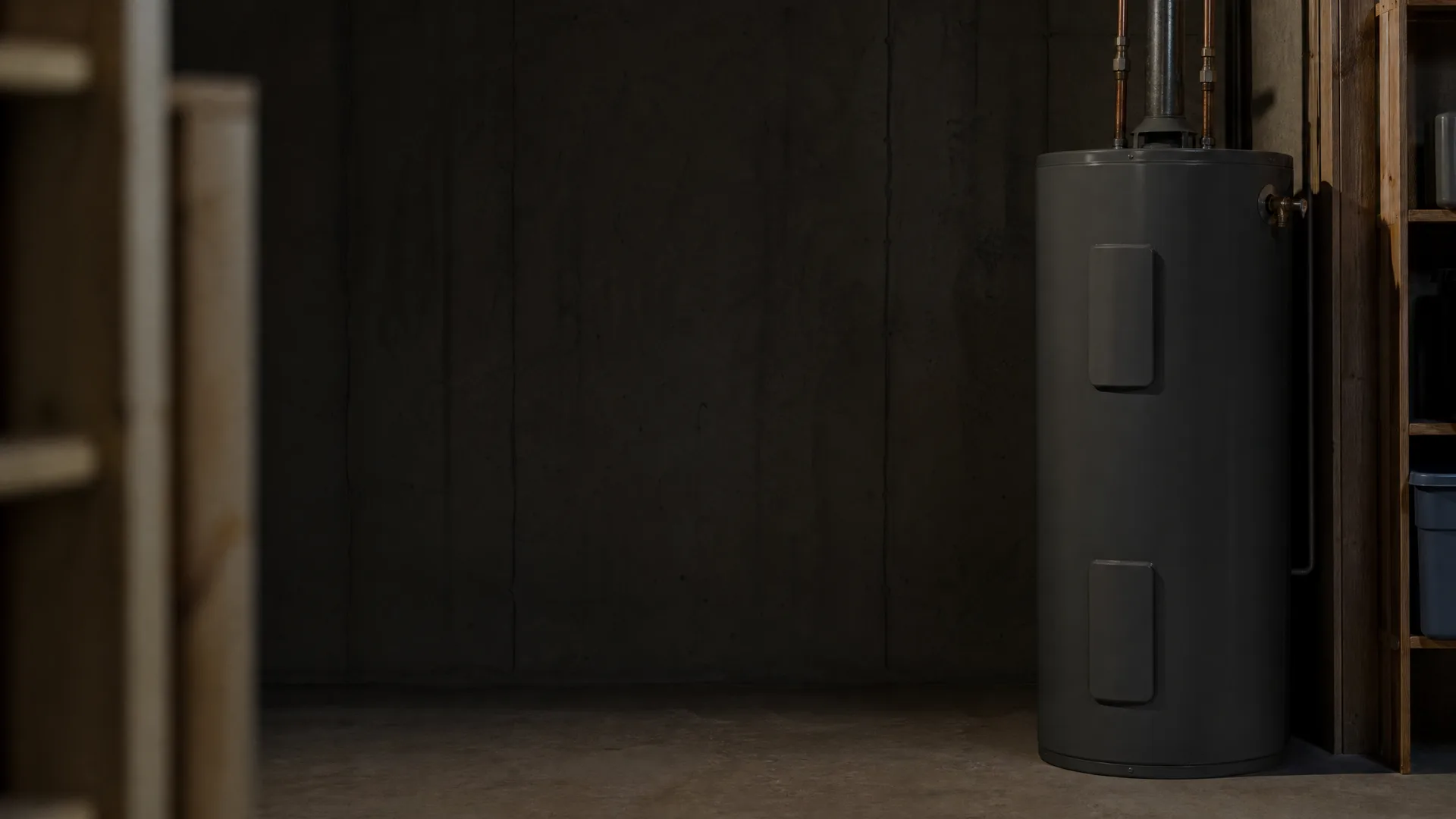
A dark gray cylindrical water heater with copper pipes at its top stands against a concrete basement wall, with wooden shelving and framing in the foreground at both edges.

A water heater pro near you

Only one pro gets your request, so you hear from one company.

Step 1 of 3: Equipment