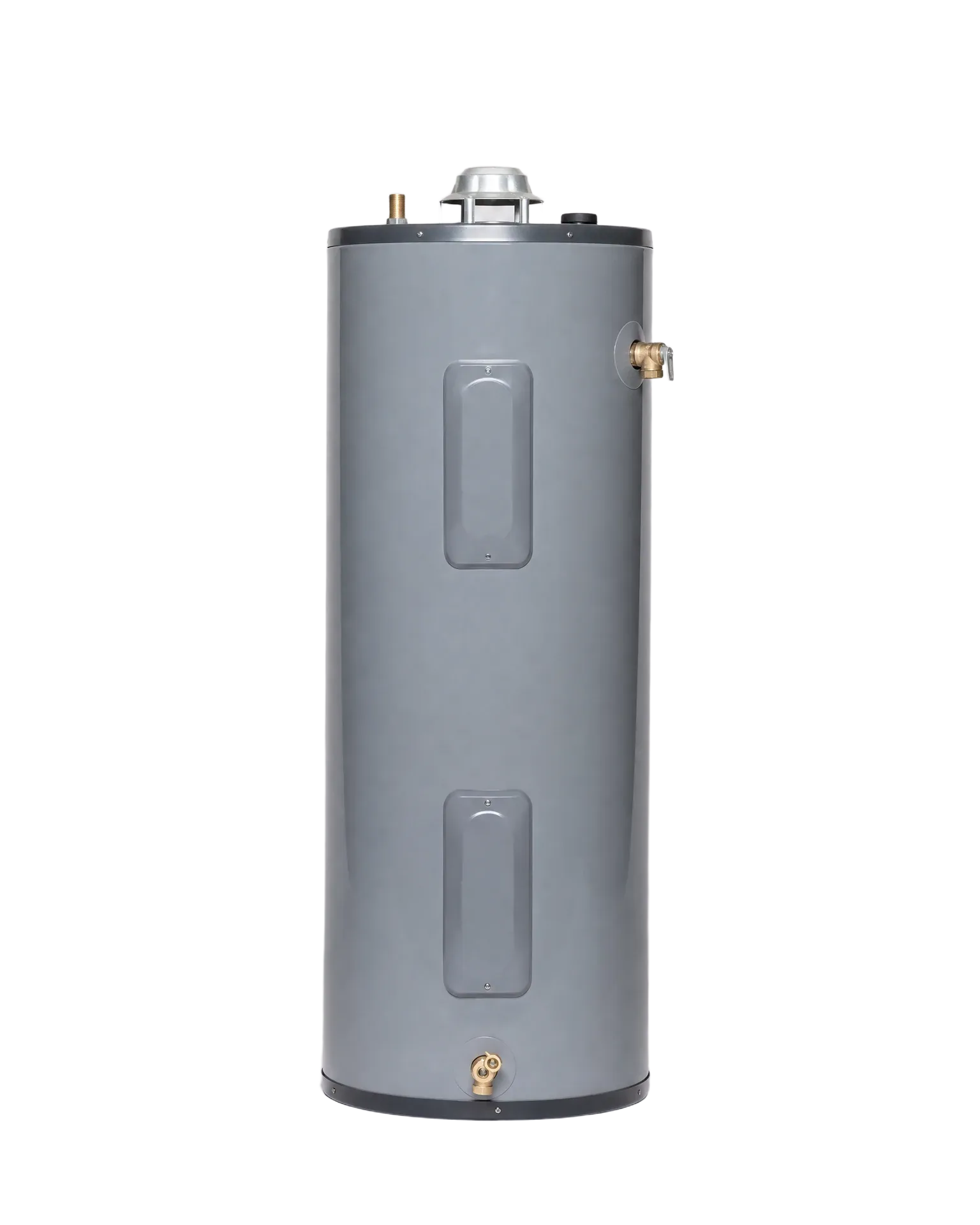
Keep patching it
You keep paying for parts and a plumber's time, and you still don't know which repair is the one that buys you another year.
Most water heaters don't fail all at once. You notice the water isn't as hot as it used to be, or there's a puddle near the base, and you start wondering if this is something to fix or something to replace. With a system that heats electrically, the signs are a little different than what you'd hear about gas units, and knowing which ones actually mean replacement saves you from paying for a repair that won't hold.
Rusty or metallic-tasting water usually means the tank itself is corroding from the inside, and that doesn't get better. A puddle forming at the base is the same problem further along. Age matters too. Most tank water heaters last 10 to 15 years, and an electric unit nearing or past that mark is more likely to fail than to keep running reliably. If yours is also making popping or rumbling noises, that's sediment built up on the heating element, and on an older tank it's usually a sign the unit is wearing out rather than something worth repairing on its own. Once a tank starts showing more than one of these signs, replacing it costs less over time than patching it.

If the hot water runs rusty but the cold stays clear, the tank itself is rusting from the inside, not the pipes. That rust is coming from corrosion inside the steel tank, and once it starts it doesn't stop. A sacrificial anode rod is supposed to corrode first and protect the tank, but once that rod is used up, the tank is next. Water with a brown or orange tint is a sign the tank is already failing from within.

Every water heater has a serial number on the manufacturer's label that tells you the build date, usually coded into the first two digits or letters. Most tank water heaters last 8 to 12 years. If yours is in or past that range, parts are harder to find and a repair can end up costing more than it's worth. Checking that label takes less time than a trip to the hardware store and gives you a real answer instead of a guess.

If your water heater is on its way out, you'll likely notice before it quits for good. Showers that run cold sooner than they used to. A pilot light or heating element that resets less reliably than it did last winter. A tank that's started making popping or rumbling sounds from sediment baked onto the bottom. None of that is an emergency yet, but it's telling you something about what's coming.
The real risk is a tank that fails while you're not home, or overnight, and leaves standing water on a utility room floor or a finished basement. That's a different cost than a water heater that simply needs replacing on your schedule. If you'd rather not spend the next few weekends calling around, checking who's licensed, and reading through quotes that don't explain what they actually cover, sending the form here does that part for you. You move straight from wondering about your tank to talking with someone who installs them.

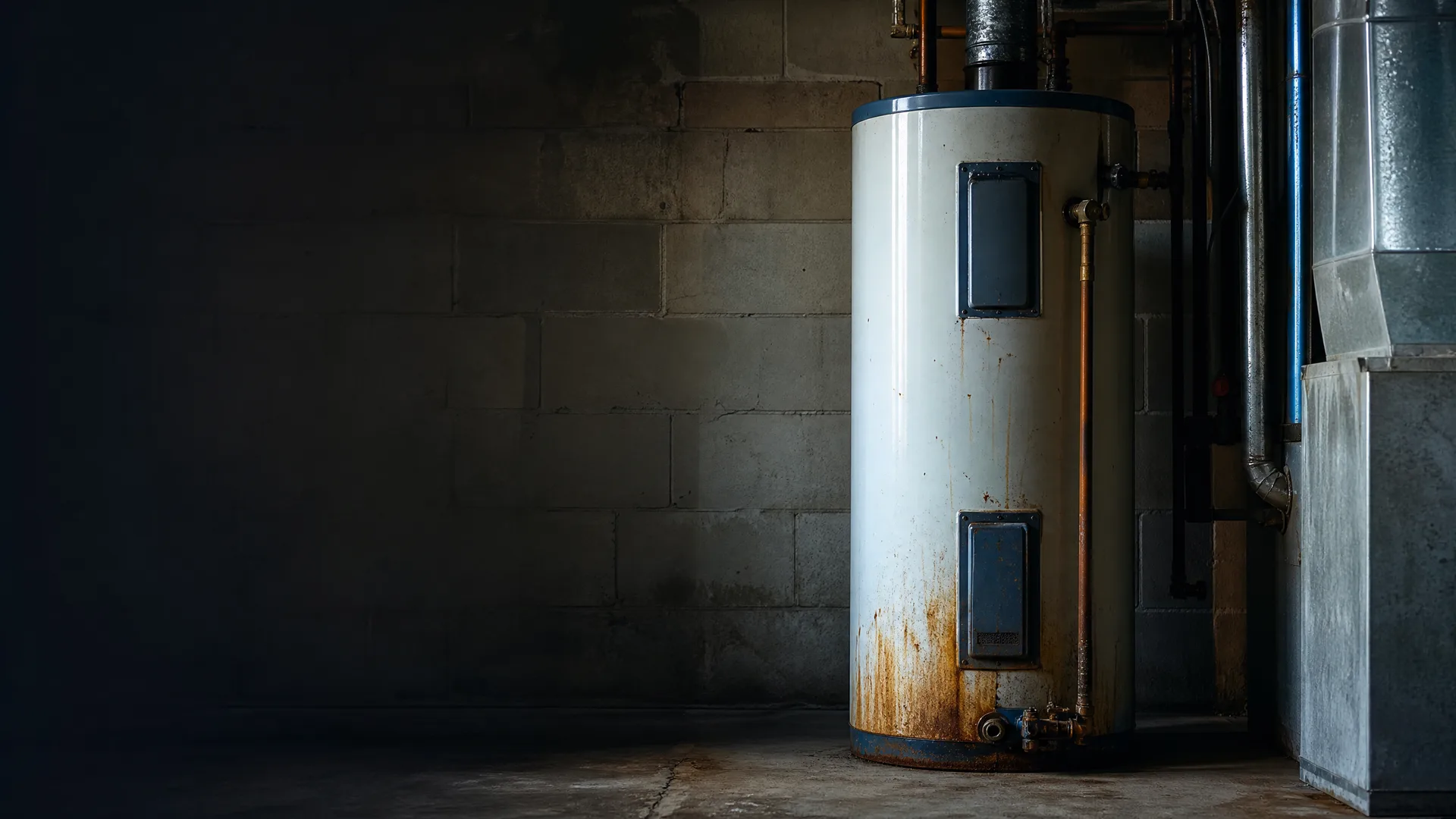
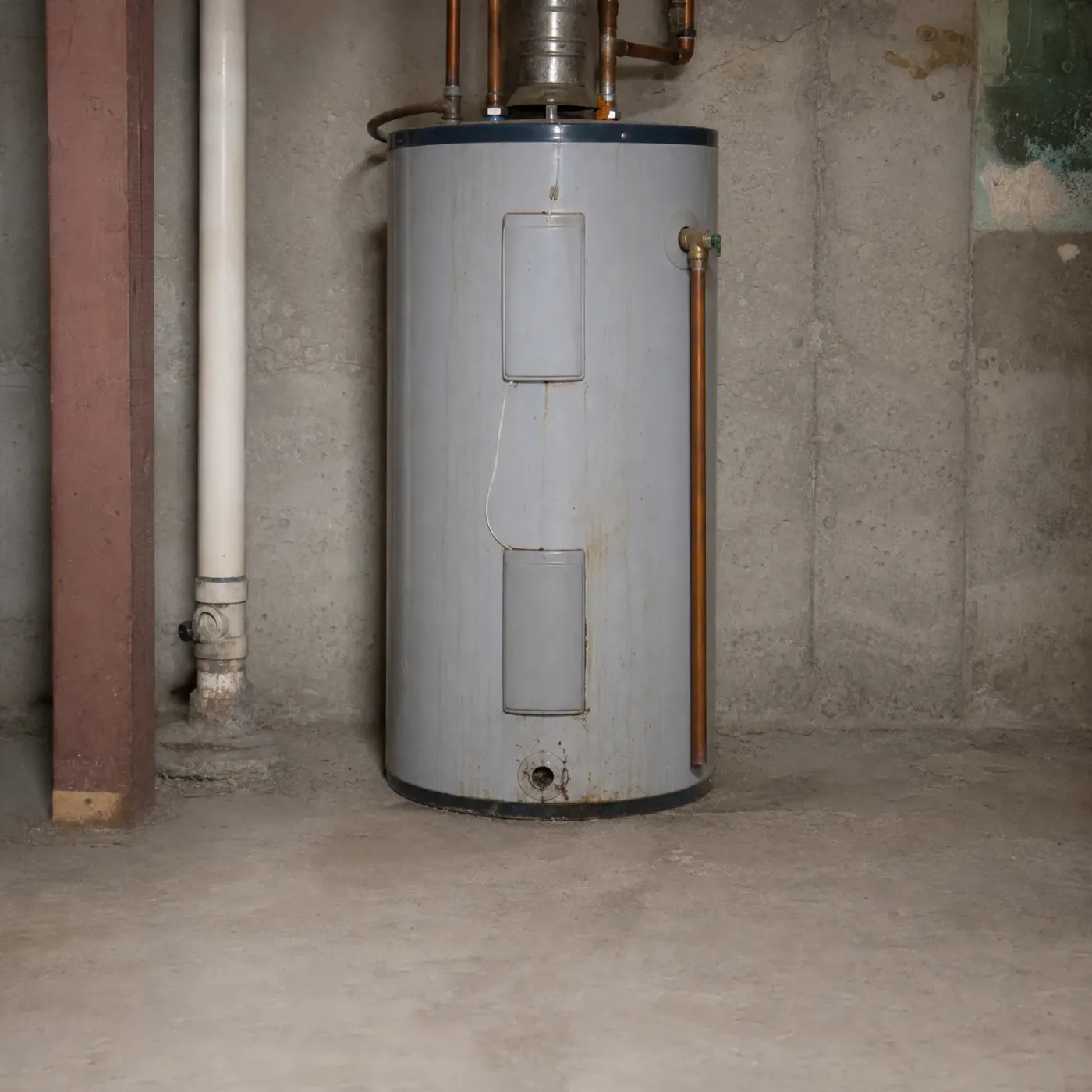
You go down to the utility room to grab something from the shelf and the light's already on from earlier. It's evening, quiet, nobody else down there. The tank sits in the corner the way it has for years, and this time you actually look at it. There's rust along the seam at the bottom, dried in streaks like it's been weeping for a while. You crouch and touch the floor next to it. Dry, at least for now. You think about how cold it's going to get this winter, and whether this thing is going to make it through another one before it lets go all at once.
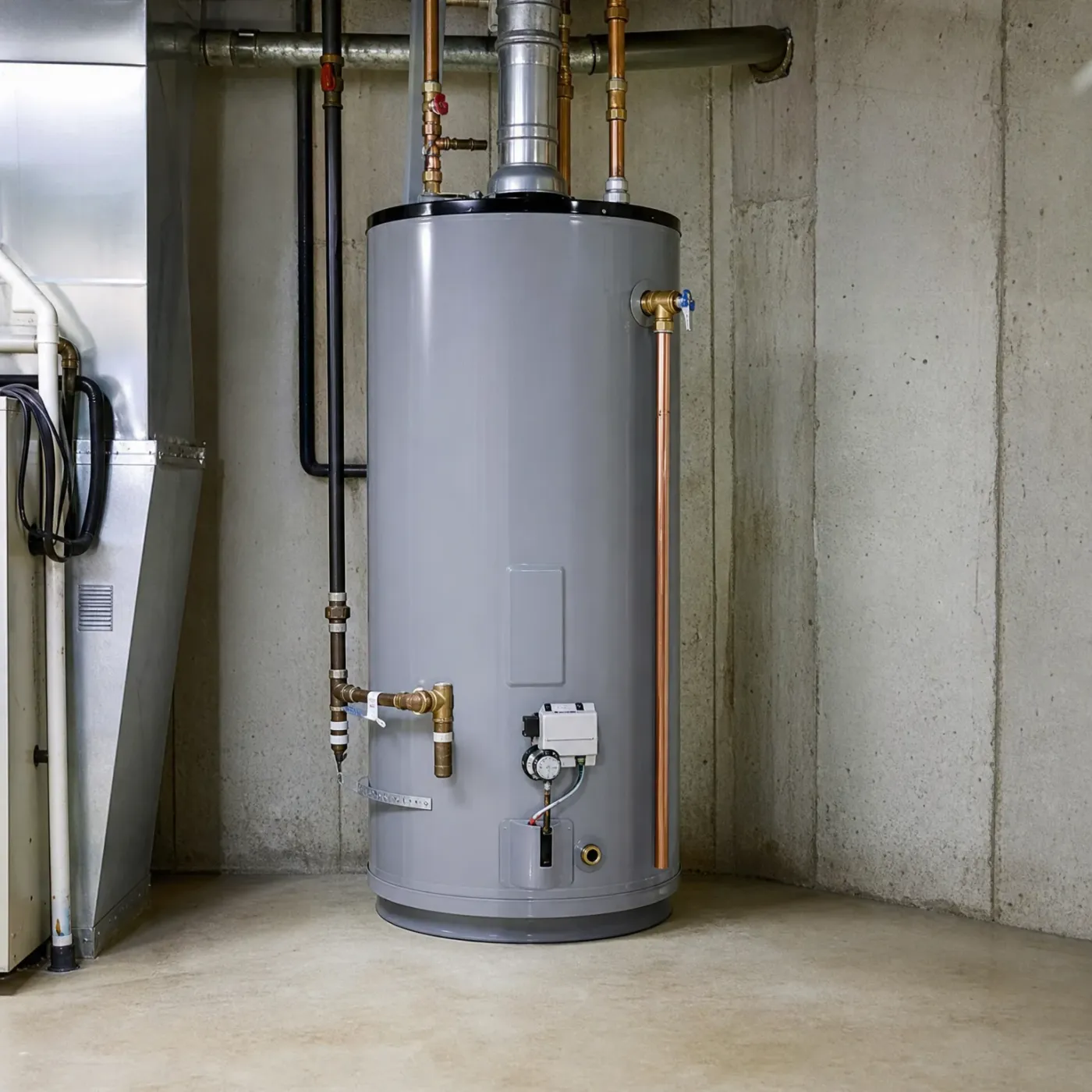
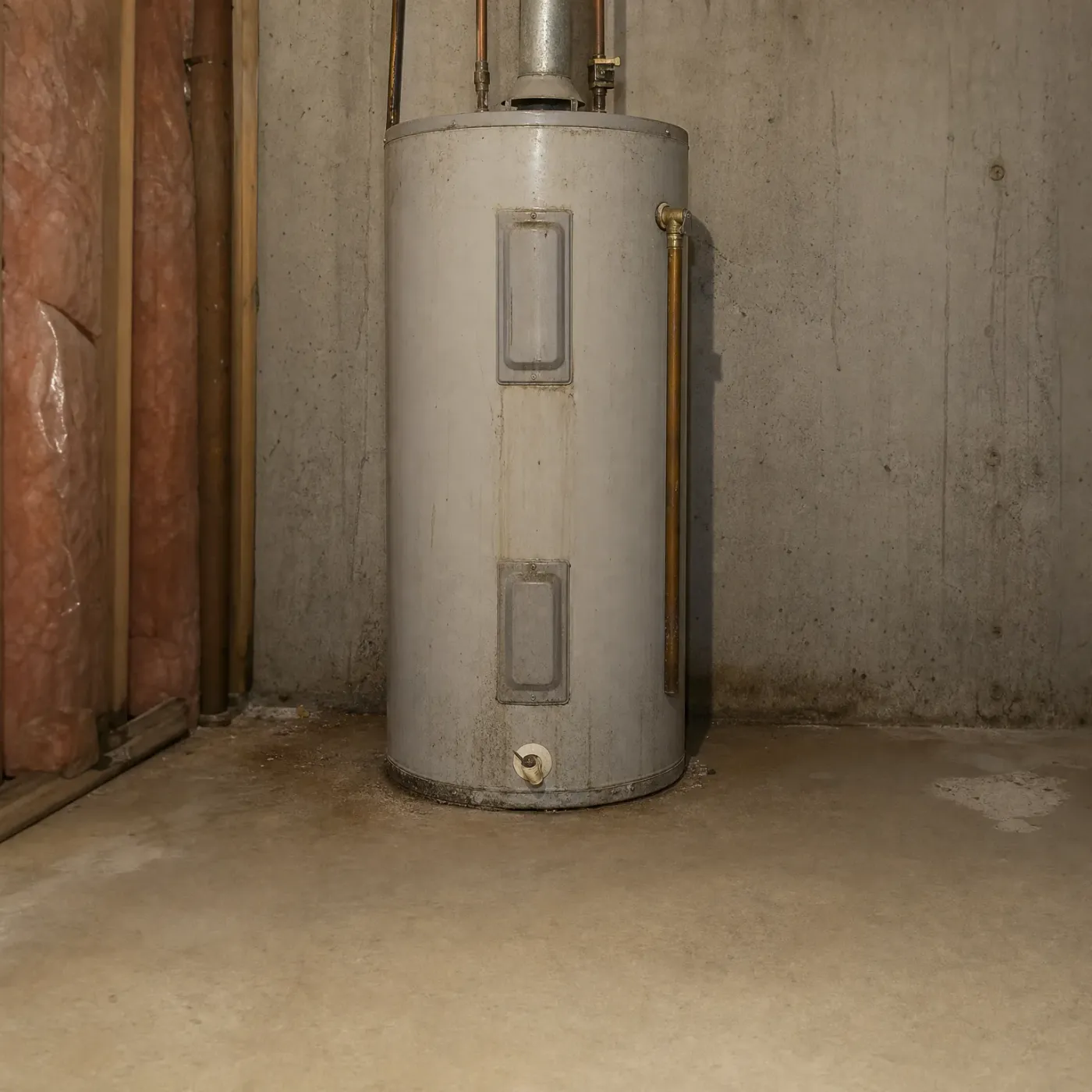


Once you've gone through the checks above and the water heater isn't passing them, the next step is getting someone out to look at it in person. That usually means an afternoon on the phone in Oregon, calling around for a plumber who installs water heaters, explaining the rust in the tank or the pilot light that won't hold, then waiting on quotes and trying to tell which one is fair. Power here is priced about like anywhere else, so there's no quick trick to cut the cost down, just the question of getting it replaced before it fails on its own terms instead of yours. Sending the form means you're done with the calling-around part. You describe what you're seeing once, and that goes to a contractor instead of you chasing five of them. The tank in your utility room doesn't get more patient while you compare bids. If it's showing the signs, the next move is getting a real look at it.
A water heater that's past its prime but still limping along will often need more and more small fixes. A new thermostat one month, a new element the next, and the bill keeps climbing before it quits for good.
A new water heater costs more upfront, but it won't need a repair call every few months. In Oregon, where electric water heaters run most of the year, that's one less thing to track.
You keep paying for parts and a plumber's time, and you still don't know which repair is the one that buys you another year.
One job, done, and you know what's heating your water this winter instead of guessing month to month.
More than half the homes in Oregon heat with electricity, and odds are yours does too. An electric water heater doesn't have a pilot light or burner to check, so the warning signs are quieter: a reset button that won't hold, or recovery that's slower than it used to be.
ACS 2020-2024 5-year B25040




The signs don't all show up at once, and that's what makes this easy to put off. A little rust in the water, a pilot that resets less often, a tank that's just old enough to make you wonder. Any one of those on its own is worth checking. A few of them together and you already know the answer. Waiting past that point usually means a bigger mess to clean up and a colder morning to go with it. Getting a straight answer doesn't have to mean spending your afternoon calling around to plumbers in Oregon, explaining the same rust stains and reset button to three different people, then sitting on quotes trying to guess which one is being straight with you. Send the details once and that legwork stops being yours to do. Someone who installs water heaters for a living looks at what you've found and tells you where you actually stand, whether that's another year or a replacement now, before the season turns and you're doing this with no hot water and no time to think it through.

Finding a pro stops being your job



