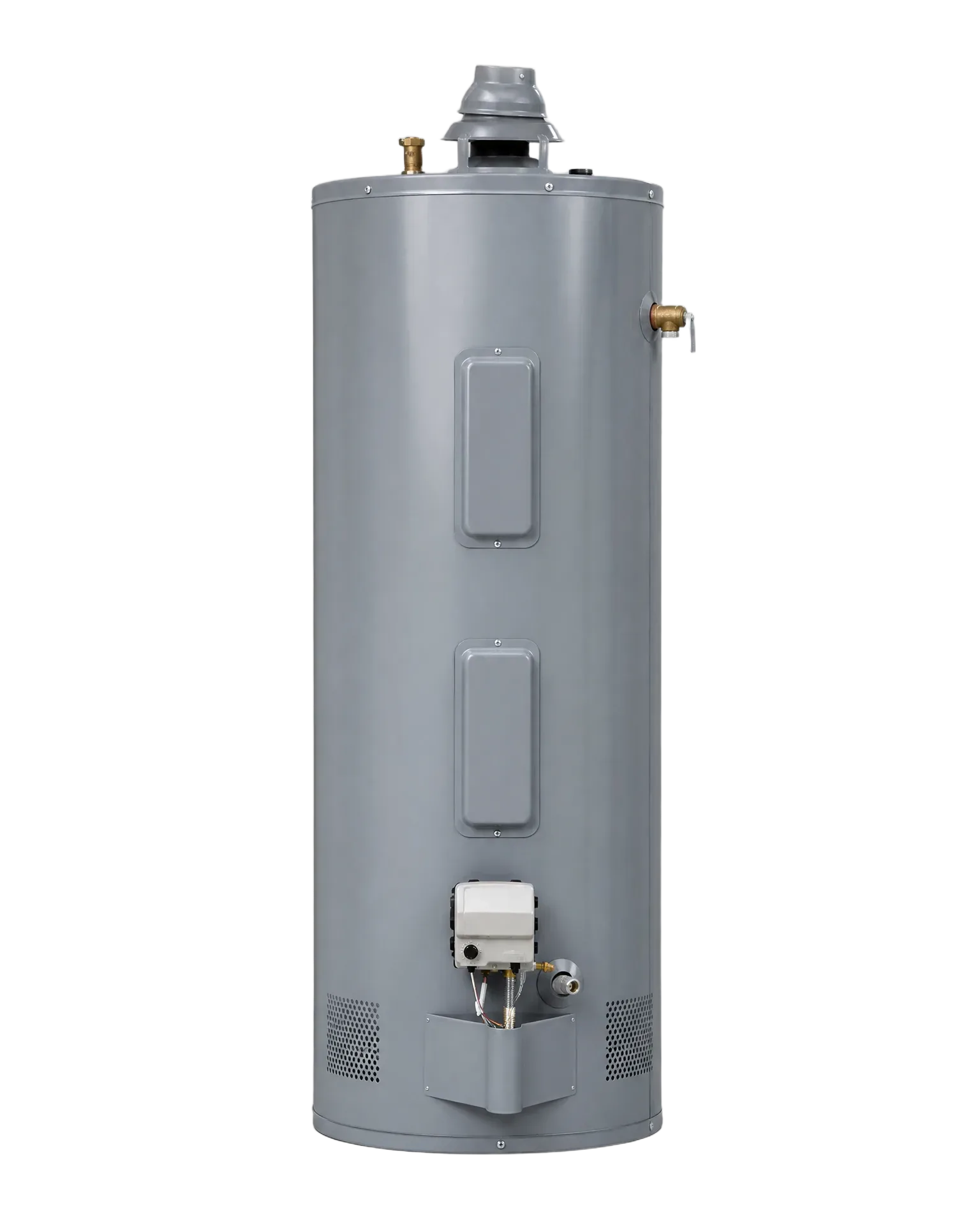

Still doing its job
This is what a healthy electric water heater looks like. The copper lines run clean, the vent pipe sits tight, and there's no rust pooling around the base or the drain valve. Water heats on schedule and recovery stays steady.
A water heater in Oregon lasts about 8 to 12 years, depending on the unit and the water it has to deal with. Most homes here are on electric water heaters, and the heating element is usually what fails first once the tank passes that range, not the tank itself, at least not right away. Once it does start to go, you'll notice it: less hot water than before, water that takes longer to heat up, or a popping or rumbling sound from sediment that's built up at the bottom of the tank over the years. Electric water heaters tend to run longer than gas ones since there's no burner or venting involved, but that only buys so much time. If yours is getting close to ten years old, or if your hot water is shorter and slower than it was a year or two ago, it's worth having someone look at it before it quits without warning.


A few things tell you where your water heater stands. Water taking longer to heat, or running out faster than it used to, points to a heating element on its way out. A popping or rumbling sound from the tank means sediment has built up on the bottom, which makes the element work harder than it should. Rust colored water, or rust around the base of the tank, is different. That means the tank itself is breaking down, not just a part inside it. Left alone, a tank in that state can leak or split, and in Oregon's electric setups, a failed element usually shows up as no hot water at all rather than a gradual drop.
Sediment settles at the tank bottom and insulates the lower heating element.
The lower element works harder and longer to heat the same water.
That element burns out years before the tank itself fails.
A new element restores recovery time until sediment buries the next one.


Inside an electric water heater, two elements do the heating, one near the top of the tank and one near the bottom. The lower one does most of the work, since cold water comes in through a dip tube that feeds the bottom of the tank first. Every time you draw hot water and the tank refills, that lower element kicks on to bring the new water up to temperature. Running down the middle of the tank is an anode rod, and its whole job is to corrode instead of the steel around it. It draws rust to itself on purpose, year after year, until there's nothing left of it to corrode. After that, the tank has no more protection, and rust starts working on the steel itself from the inside. No element or thermostat can stop that once it starts. Oregon's water is softer than what most of the country deals with, so the elements don't crust over with minerals the way they might elsewhere. That helps the elements last, but it has no effect on the anode rod, which wears down on its own timeline regardless of what's in the water.
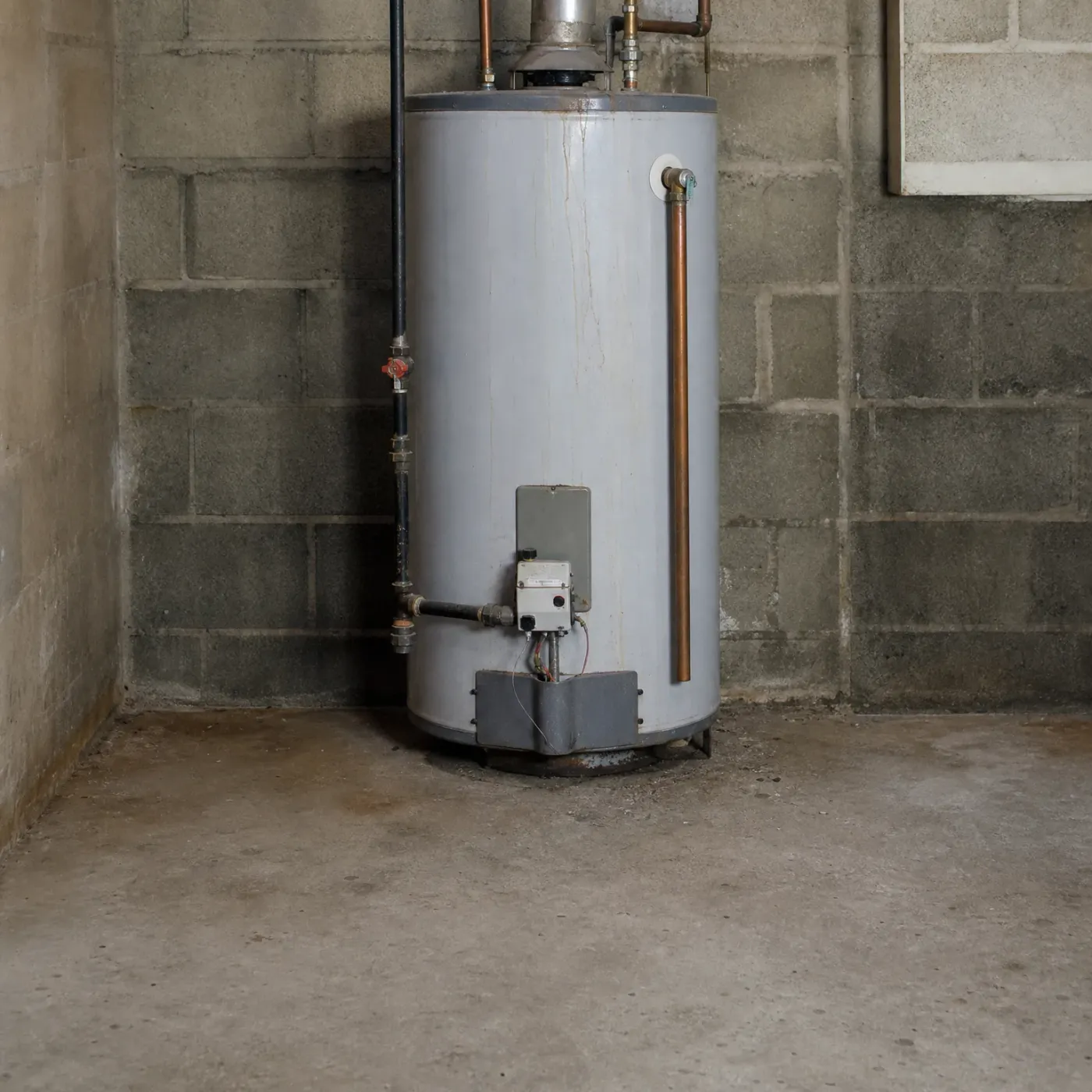
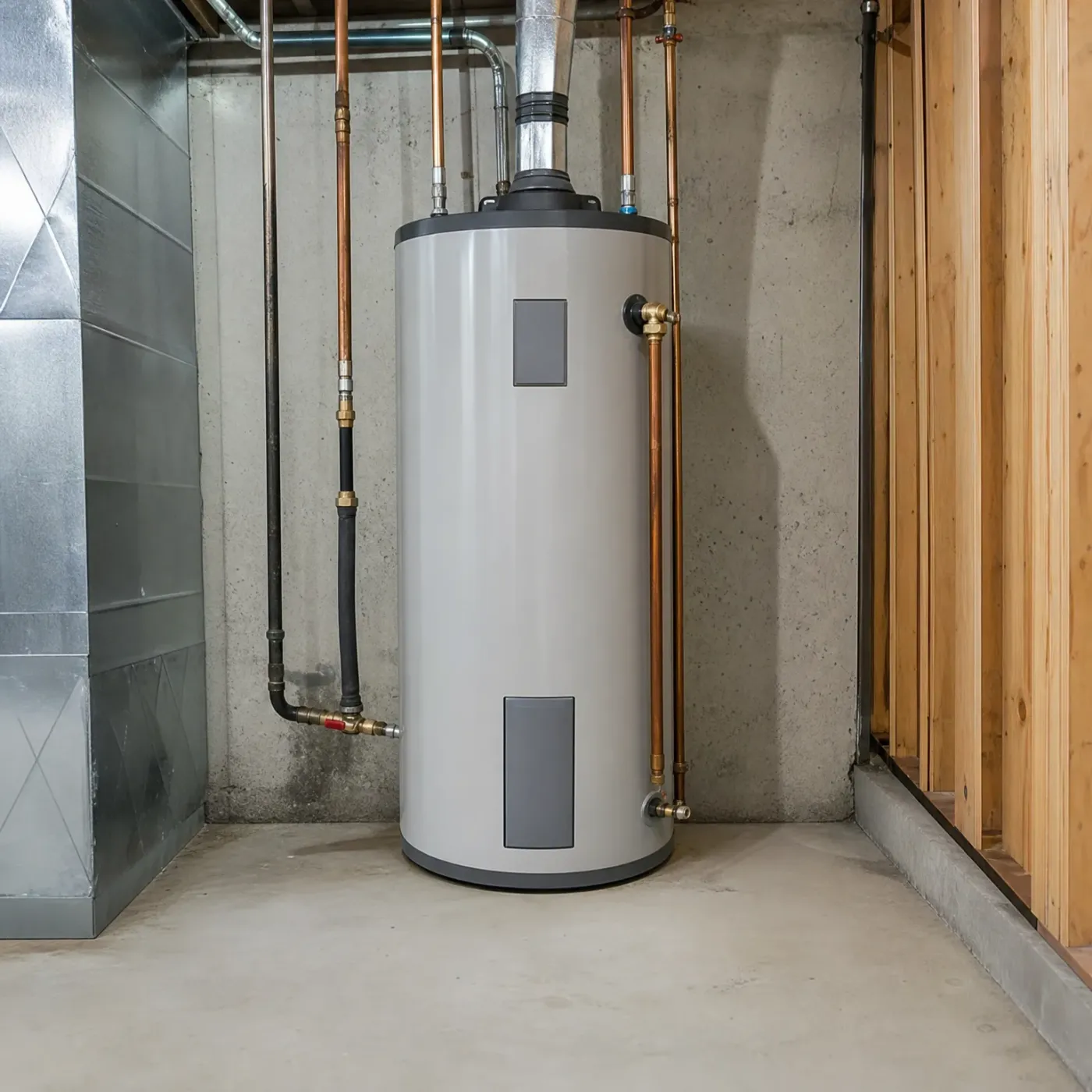
A tank past 10 years with rust at the base is not a repair job. The water heater sits in a closet or garage, usually out of sight, which is why that rust goes unnoticed until it's dripping onto the floor. With electric water heaters running most Oregon homes, a failed tank means no hot water until it's replaced, not just patched. Waiting on a decision here only raises the odds of finding out the hard way, with standing water where the tank used to be. Getting matched with a contractor now means that timeline is in your hands instead of the tank's. You send the request once, and from there, sorting out who can get to your water heater and when is off your plate.

If your electric water heater is past year 10, check the floor around the base. A tank that's failing doesn't always leak all at once. It can weep slowly, enough to warp a closet floor or soak into the garage slab before anyone notices. By the time you see water, the tank has usually been rusting from the inside for a while.
A full tank of water let go is a mess you don't want to plan for in January. Since you're already thinking ahead, it's worth finding out now whether yours is close to that point, rather than waiting for the sound of it. If it is, getting matched with a contractor who installs water heaters in your area means the decision gets handled before it becomes an emergency, not after.

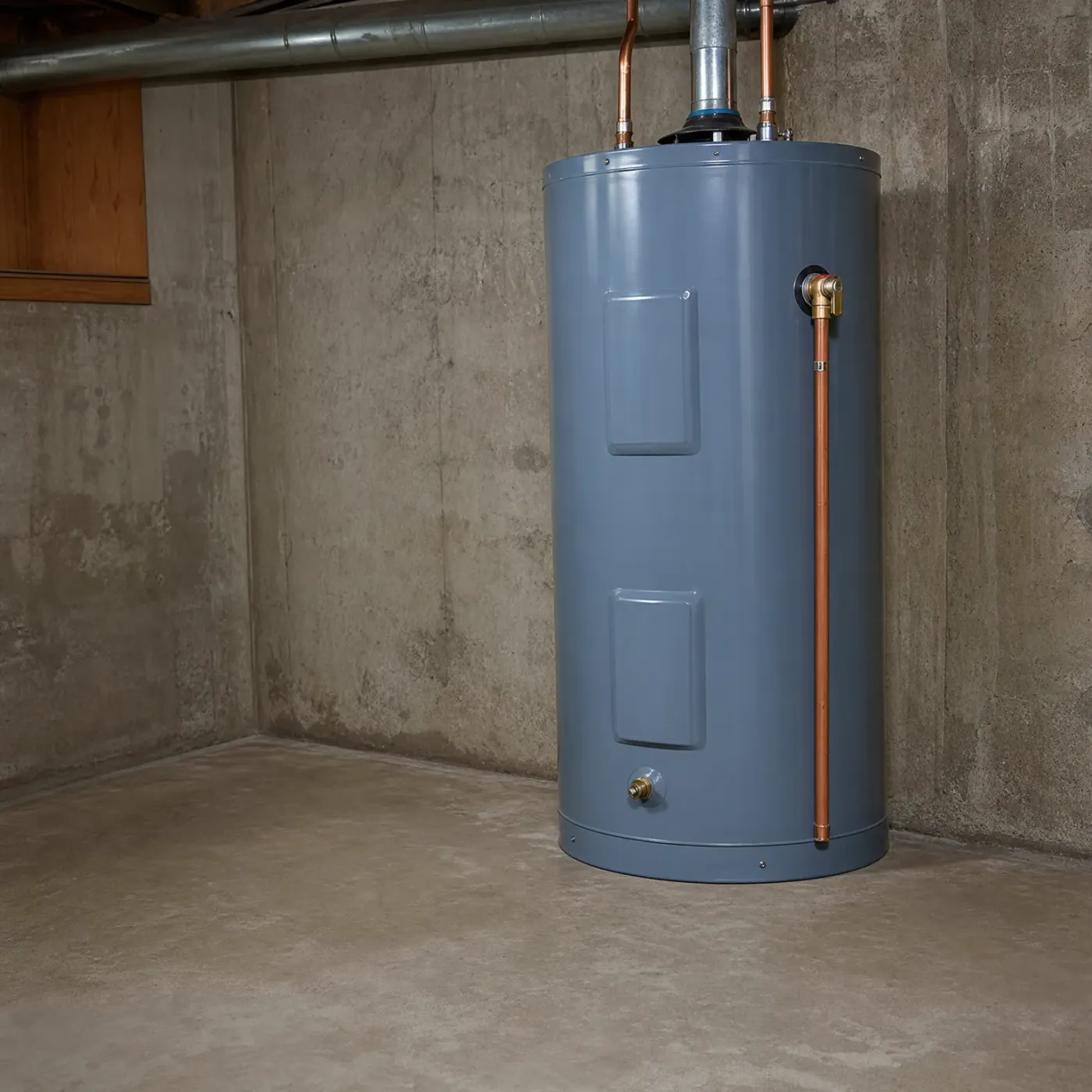
This is what a healthy electric water heater looks like. The copper lines run clean, the vent pipe sits tight, and there's no rust pooling around the base or the drain valve. Water heats on schedule and recovery stays steady.
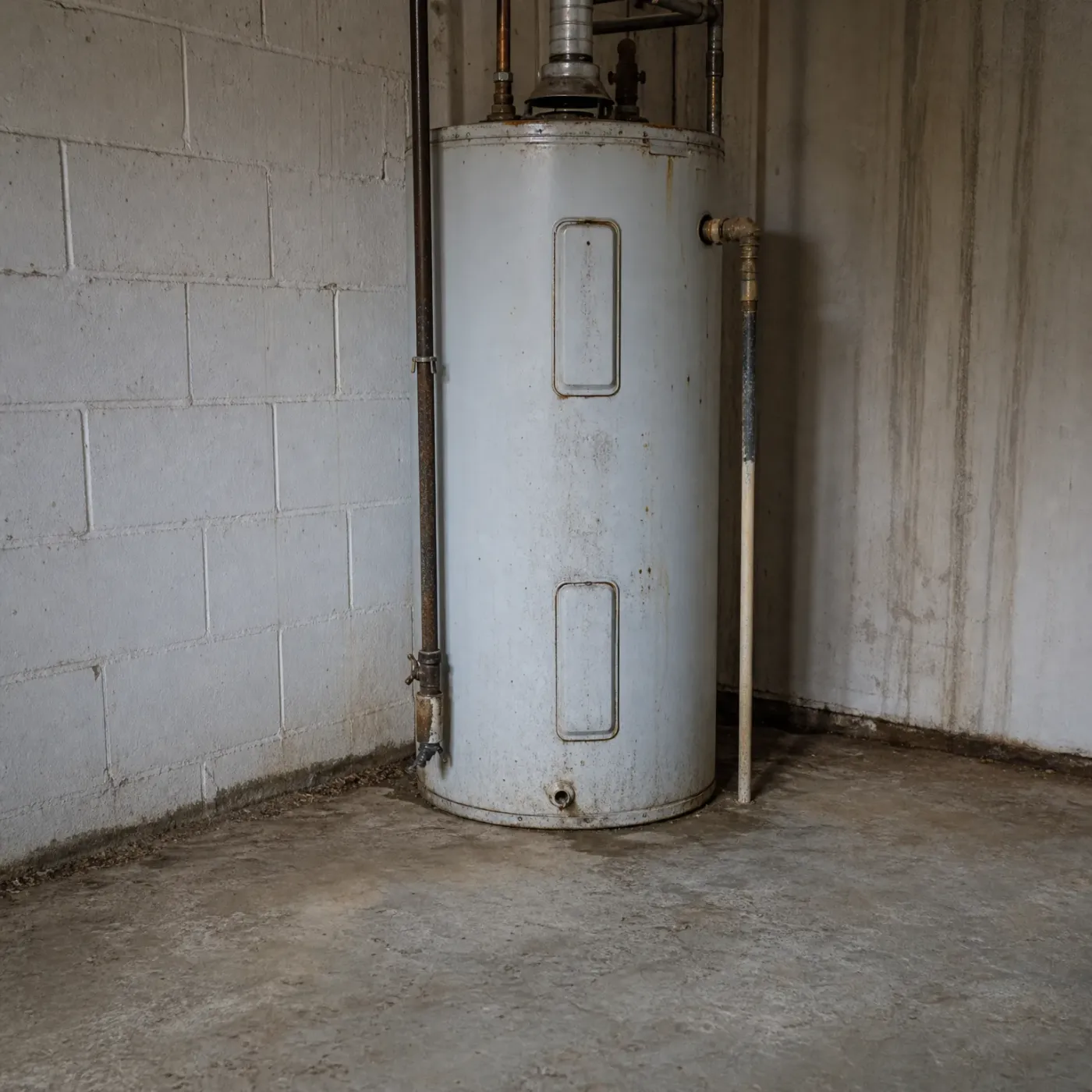
Rust has worked its way across the tank and down toward the fittings. Once corrosion shows like this, the tank itself is failing, not a single part. At this stage the question is installing a new unit, not patching the old one.
With most Oregon homes running electric water heaters, that lower heating element is the part doing the most work and the first to wear out. Watch for slower recovery after year 8, and plan on replacing the unit once rust shows at the base.
ACS 2020-2024 5-year B25040
An electric water heater in Oregon runs 8 to 12 years before the tank gives out. The heating element usually goes first, and replacing it buys back the recovery time you lost, sometimes for a year or more past that range. What ends the unit for good is the tank itself. Once rust shows at the base or around the fittings, that's the tank failing, not a part worth fixing. It doesn't always show up as a sudden leak. A failing tank can weep slowly for weeks, enough to soften a closet floor or leave a stain on the garage slab before you notice water where it shouldn't be. The signs worth watching for come earlier than that. Hot water taking longer to heat, or running out sooner than it used to, points to a heating element wearing down. That's a fix, and a reasonable one, inside the first 8 or 9 years. Past year 10, the same symptoms alongside rust at the base mean the tank is on its way out, and no element swap changes that. Checking the base and the fittings once a year, especially as the unit passes year 8, tells you which stage you're in. A dry base and steady recovery means you have time. Rust and slow heating together mean you're closer to the end than the middle, and planning the replacement now costs you less than waiting for the floor to tell you first.




Get the right pro for your water heater
One request and the search for a pro is handled.
